
Managing Public Health Backlash as a Public Health Emergency Lab
Mission
This lab broadly focuses on the impacts of public health backlash within the context of the COVID-19 pandemic and other historically documented public health emergencies. Students will be introduced to the typology of public health backlash and given an overview of historical cases using other publicly available sources including documents made available through state and federal litigation that illuminate the tradeoffs that health officials must consider and structures and cultures that shape decision-making and conflict or alignment between health officials, advocates, opponents (including corporate forces), and the groups subjected to efforts to control or mitigate the spread of disease. The project uses humanities mixed- methods to document and explore pandemic backlash and the experiences of US public health officials as well as the impact of backlash of the health of the public (ex. eroded trust, rejection of public health practices such as vaccination) and associated morbidity and mortality impact.
Leadership
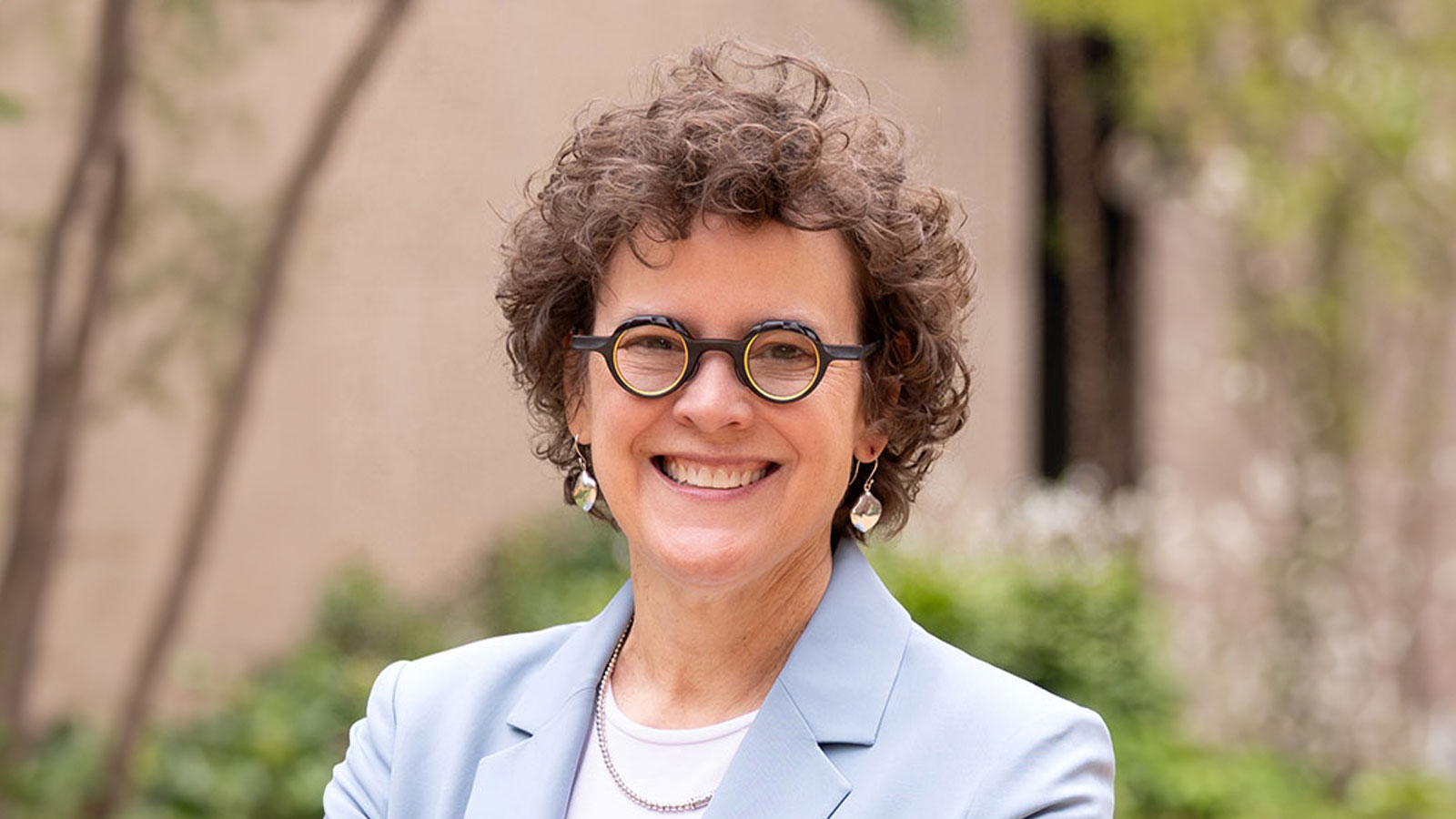
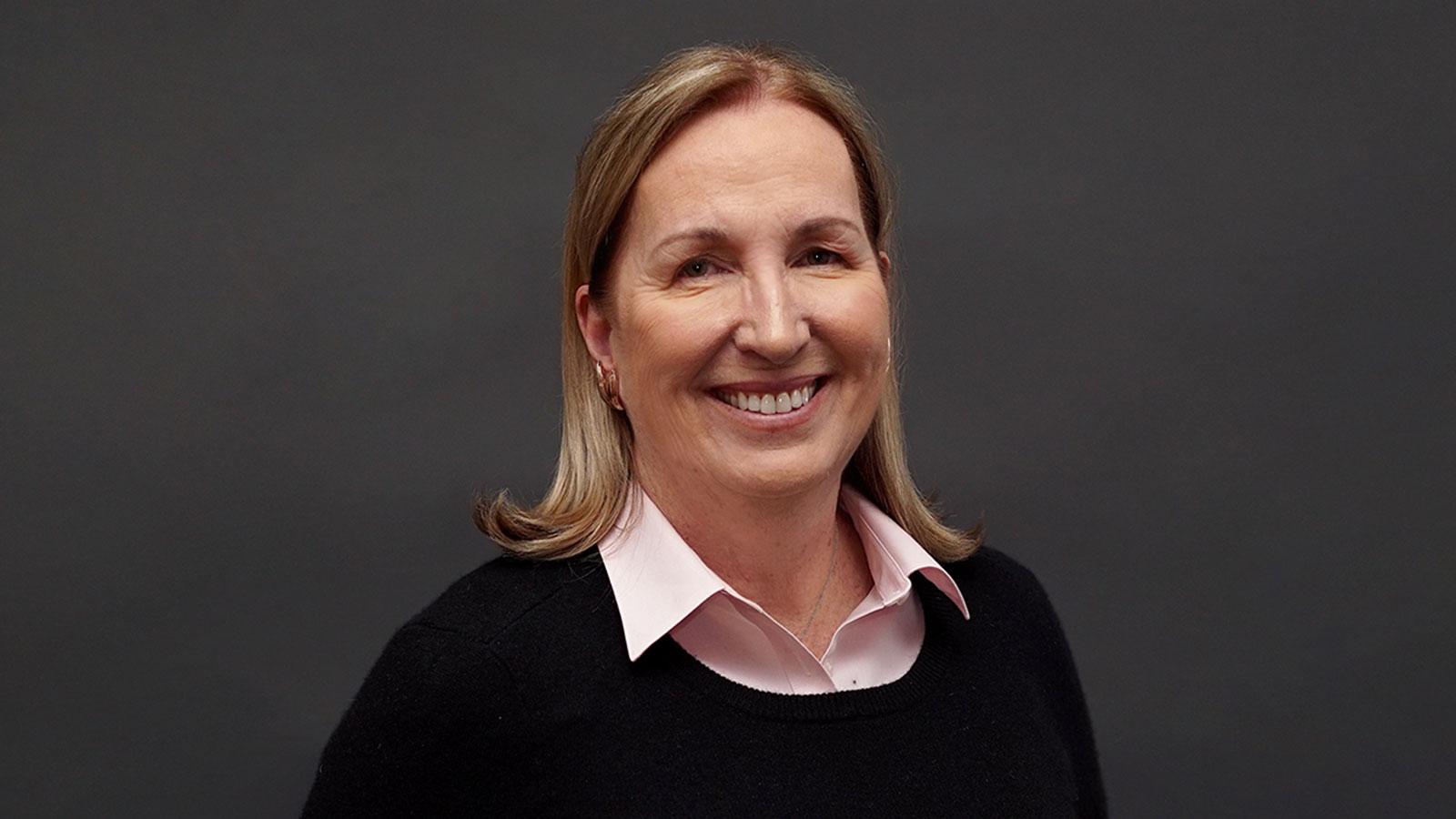
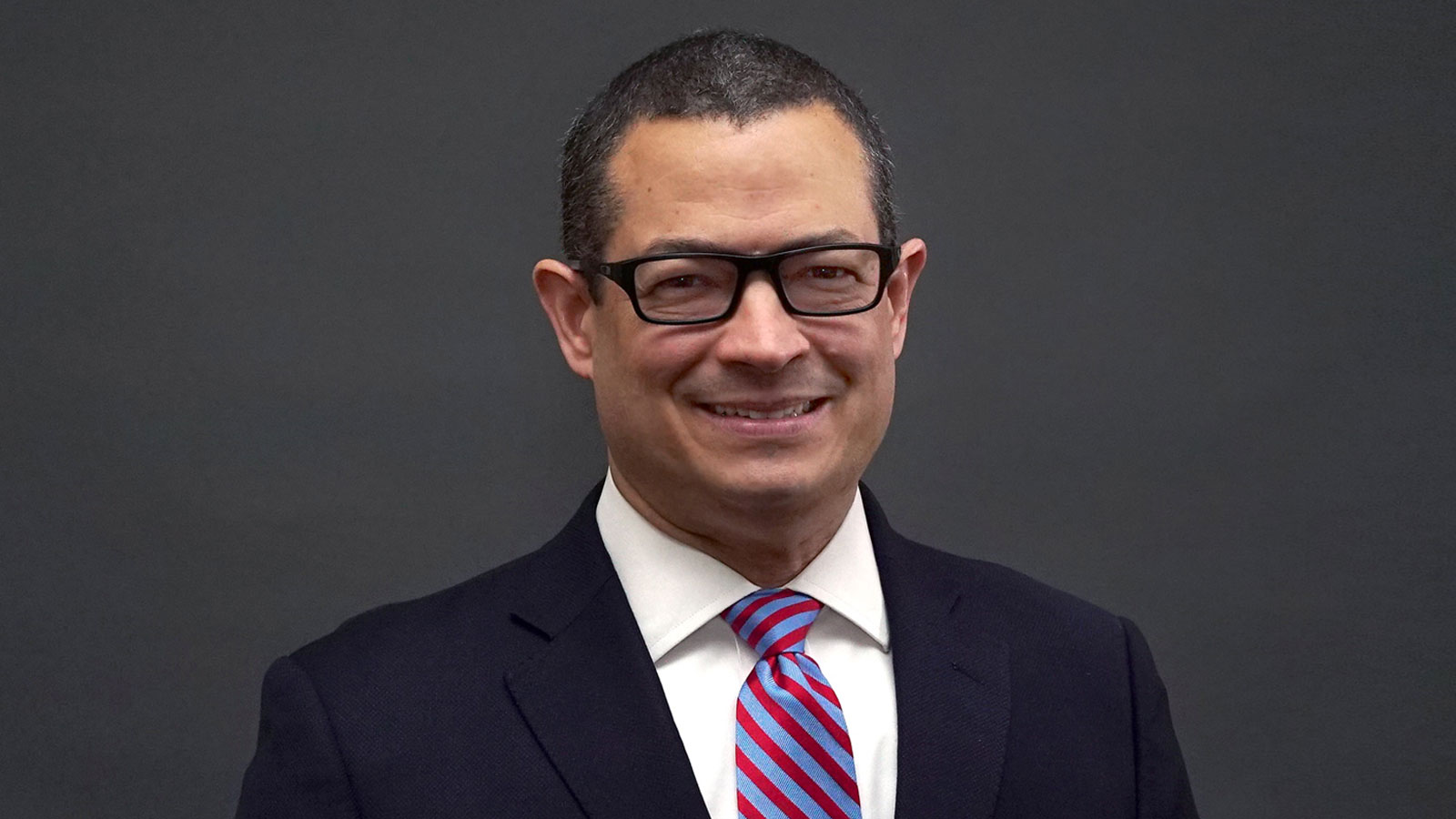

Student Leadership
-
Lab Director
Juliana Upchurch, MPH
-
Project 1 Lead
Karina Bañuelos, MA
DrPH Student, NYU GPH -
Project 2 Lead
Siti Alston
NYU CAS, Global Public Health and History -
Project 3 Lead
Chloe Wong
NYU GPH, Community Health Science & Practice -
Project 4 Lead
Esha Gourikrishna
NYU GPH, Public Health; Community Health Science & Practice -
Project 5 Lead
Mitun Roy
NYU GPH, Public Health Policy & Management
What We Do
Students engage with oral histories, public databases, litigation documents, and historical case studies to investigate the structural, cultural, and political dynamics that shape public health decision-making. Through qualitative and quantitative analysis, students have the opportunity to produce case studies for use in academic and professional training. The lab also hosts guest lectures from historians and public health practitioners to foster critical discussion around the evolving public health landscape.
Objectives
- Develop a clear understanding of the typology of public health backlash and how it impacts public health infrastructure and current policymaking.
- Identify and synthesize information from publicly available sources and apply findings to policy options.
- Attain experience in the use of qualitative research coding strategies and techniques and develop proficiency in the use of qualitative research software like Dedoose.
- Write and issue professionally written pieces (e.g., briefs, op-eds, manuscripts, case studies) synthesizing findings from qualitative data using transcripts from interviews with US state and local health officials, integrating mixed methods as appropriate to tell the story of the impact of backslash as it is now unfolding.
Proejcts
-
Project 1: Develop a Qualitative Case Study Using Dedoose
Lead: Dr. Amy Fairchild
Students will learn qualitative coding in the Dedoose platform and conduct thematic analysis to synthesize findings into a narrative case study. This work will support broader research on public health policy, community responses, and equity-related outcomes.
-
Project 2: Transform Case Studies into Public Health Teaching Modules
Lead: Dr. Cheryl Healton
This project focuses on converting existing case studies into practice-oriented teaching tools for use in academic and professional training environments. Students will develop lesson plans, discussion guides, presentation decks, and companion materials based on completed studies (e.g., New York and Florida).
-
Project 3: Identify Cross-Cutting Themes & Co-Author a Mixed-Methods Manuscript
Lead: Dr. Amy Fairchild
Students will examine multiple case studies to identify shared themes, trends, and policy implications across different states. By integrating qualitative findings with publicly available data—such as news media, social media content, and demographic indicators—students will collaboratively produce a manuscript intended for submission to a peer-reviewed journal.
-
Project 4: Open-Ended Student-Driven Project
Lead: Dr. Jose Pegan | Advisor: Megan Caitlin
Students may propose or pursue an independent project aligned with their interests and program goals. Projects may involve qualitative or mixed-methods research, policy analysis, communications work, or other applied public health activities with faculty approval.
-
Project 5: Integration of Quantitative Data into Mixed-Methods Analysis
Lead: Dr. Cheryl Healton | Advisor: Megan Caitlin
This project centers on incorporating quantitative datasets into existing qualitative and mixed-methods frameworks. Students will identify relevant public datasets (e.g., health indicators, demographic profiles, policy metrics), clean and manage quantitative data, and integrate these findings with qualitative insights to strengthen evidence-based interpretations. The goal is to build comprehensive, data-informed analyses that enhance rigor, contextual understanding, and policy relevance across case studies.