
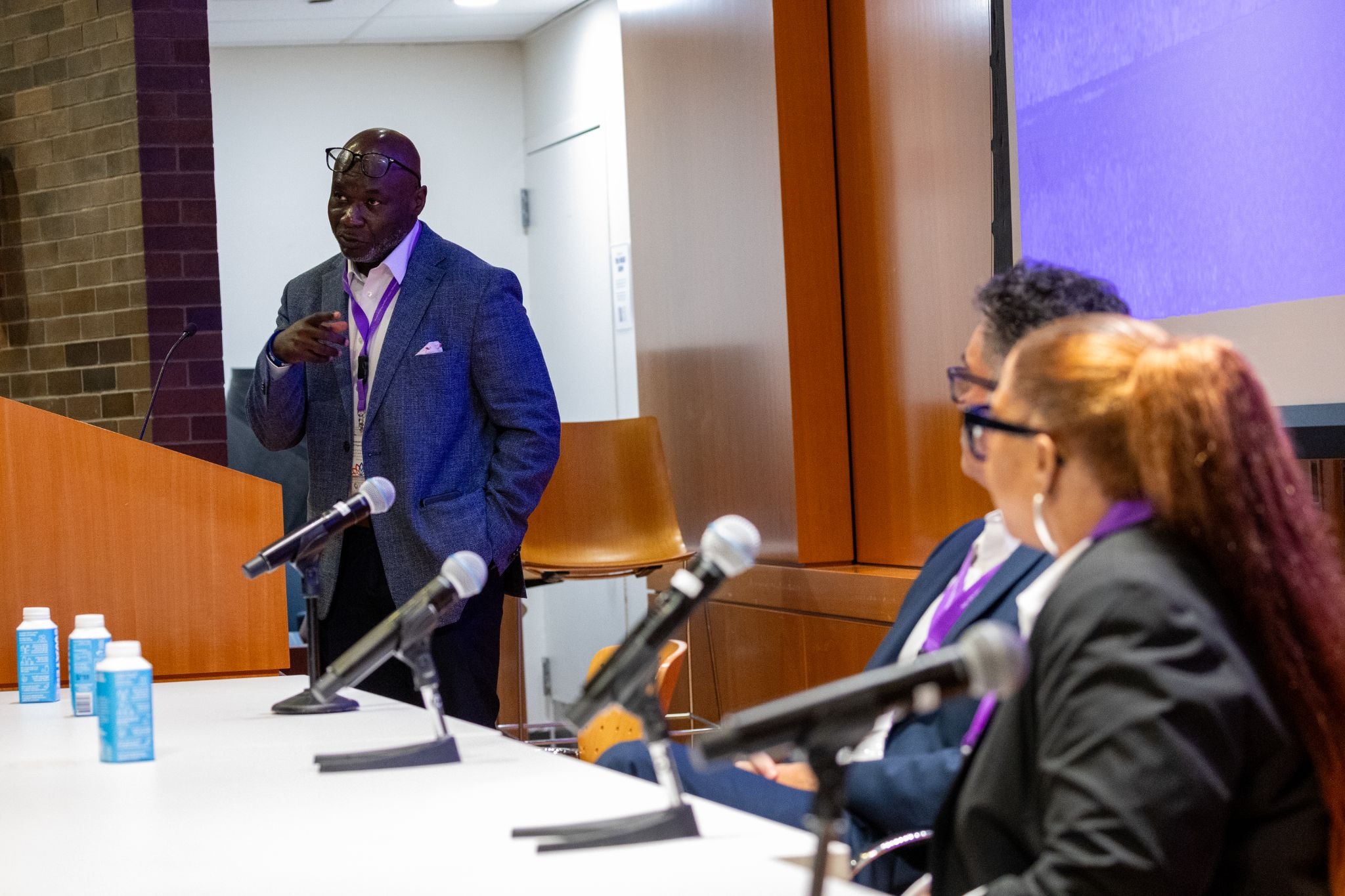
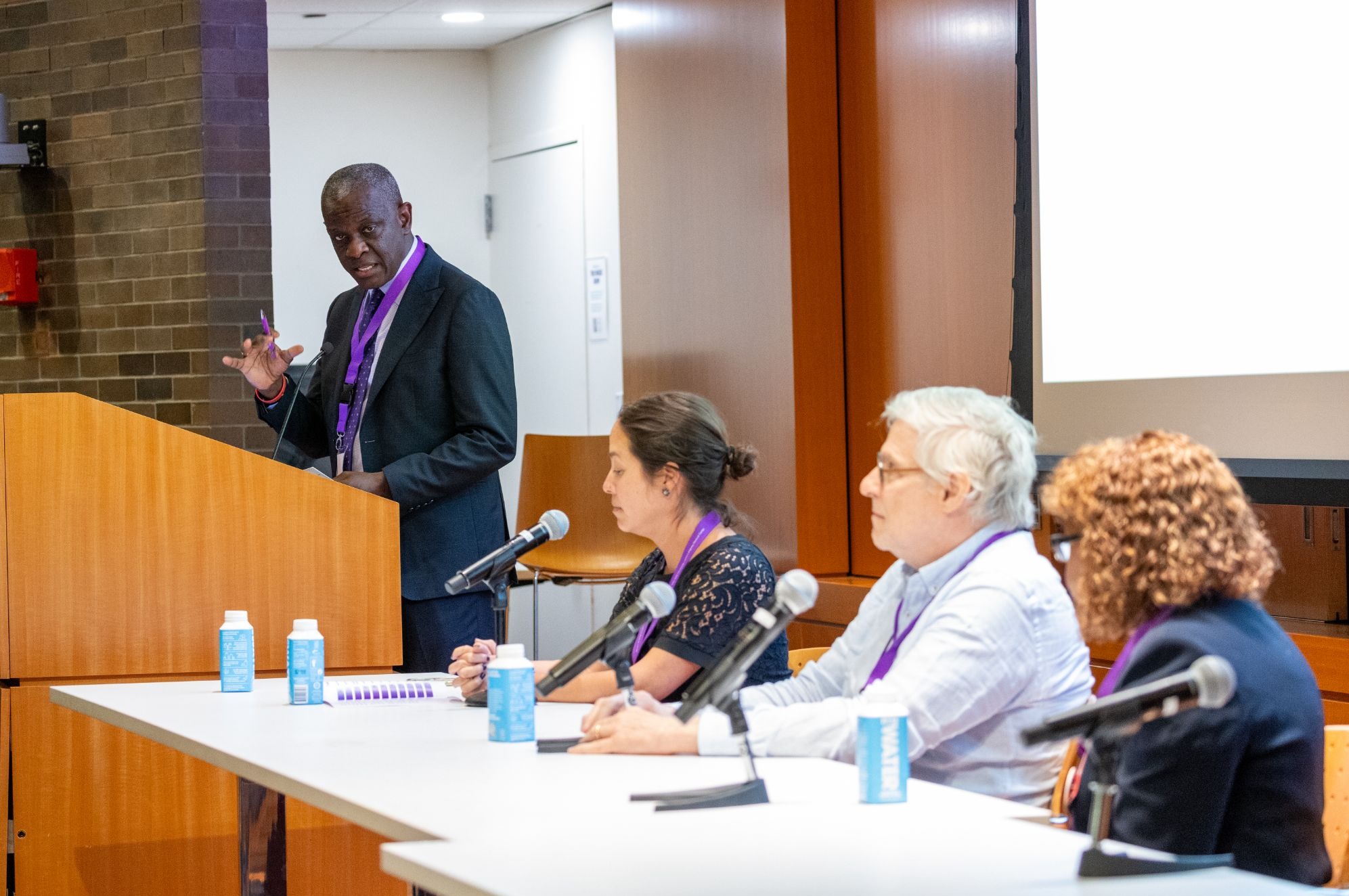
On September 10, 2026, the second annual Sickle Cell Disease Symposium, Healing Beyond Medicine: The Role of Music, Mental Health, and Nutrition in Sickle Cell Disease Care, was held at NYU Grossman School of Medicine with both in-person and virtual attendance. A partnership between the Implementing Sustainable Evidence-Based Interventions Through Engagement (ISEE) Lab at the NYU School of Global Public Health and the Institute for Excellence in Health Equity (IEHE) at NYU Grossman School of Medicine, with the Music and Audio Research Laboratory at NYU Steinhardt, Cornell University’s Food and Nutrition Education in Communities Program, and the Adekunle Gold Foundation, the event convened clinicians, researchers, policymakers, behavioral health and nutrition specialists, musicians and public figures, community-based organizations (CBOs), and individuals living with SCD and their families. Building on the 2025 symposium, it examined three domains outside conventional pharmacotherapy that bear directly on how people with SCD live: music, mental health, and nutrition. The program included five moderated sessions and a closing plenary.
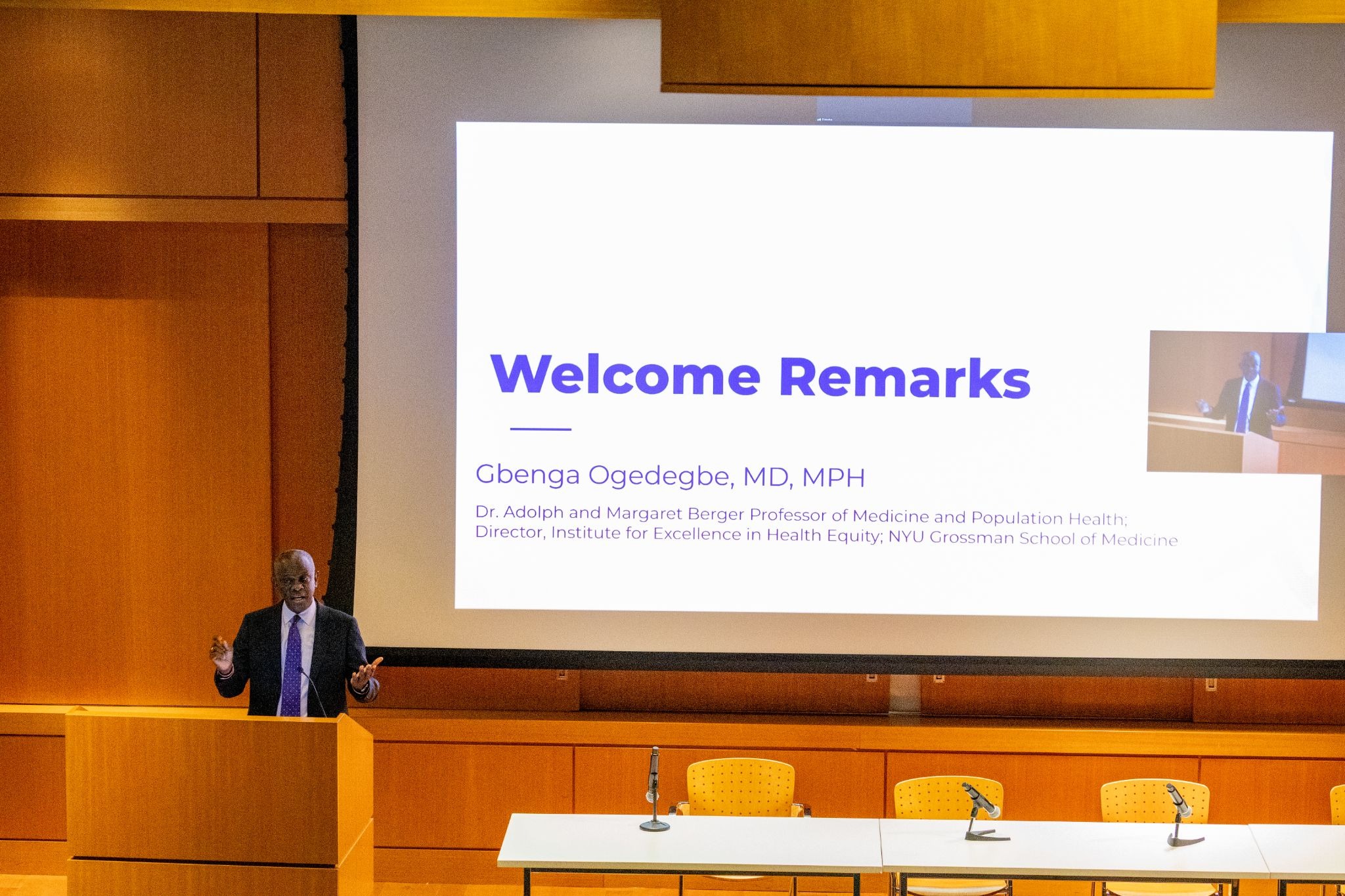
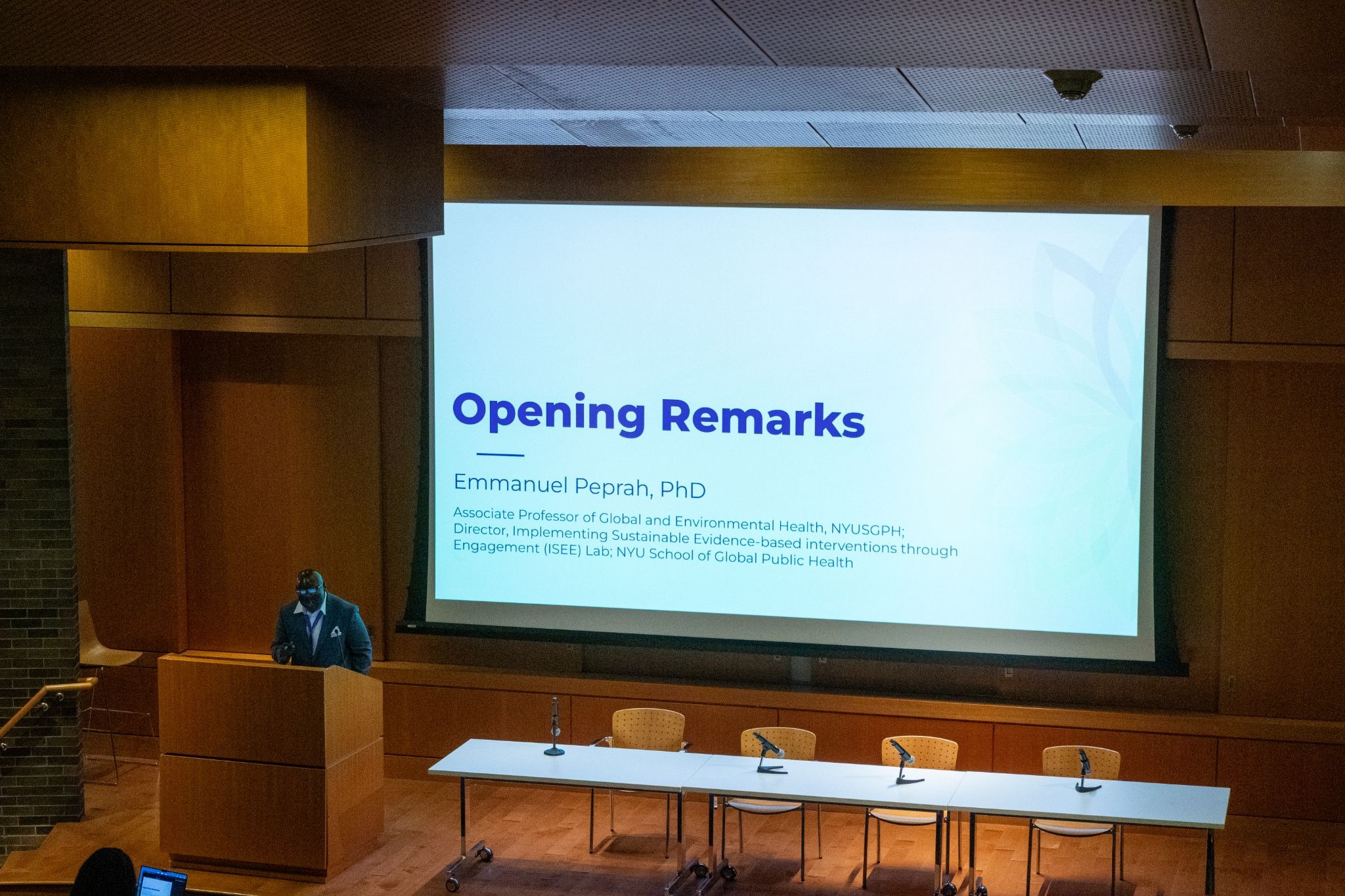
Opening remarks framed healing expansively, not only as fewer pain episodes and hospitalizations, but as the ability to attend school, work, care for family, protect mental health, and be treated with dignity. The keynote cautioned that recent technical progress, including gene editing, does not mean SCD has been solved. Speakers noted that average annual NIH funding per affected individual is roughly one-third of that for cystic fibrosis, and that the central challenge is implementation, such as expanding day-hospital models and increasing use of hydroxyurea, rather than new discoveries.

Music, Mental Health, and Nutrition
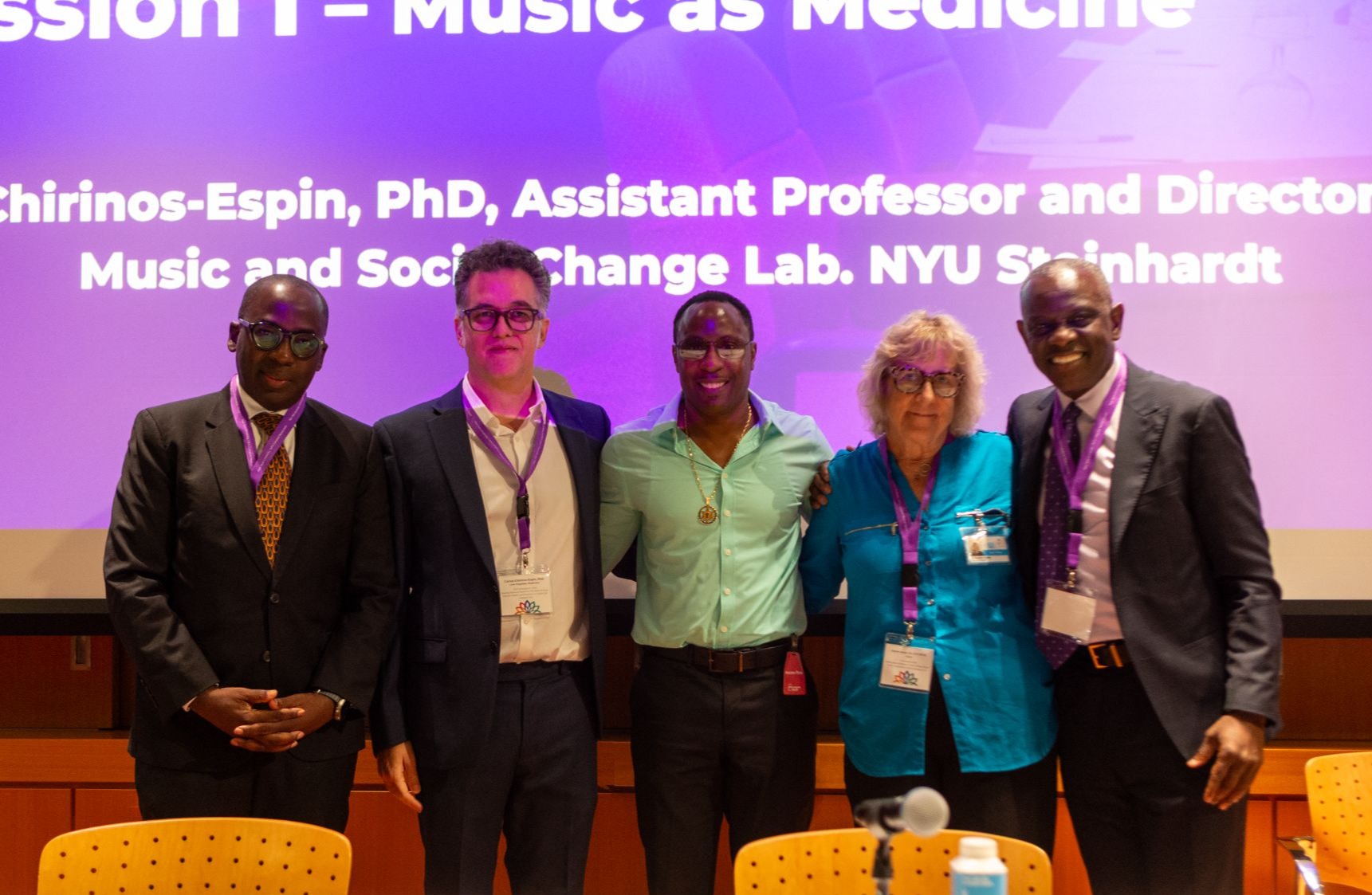
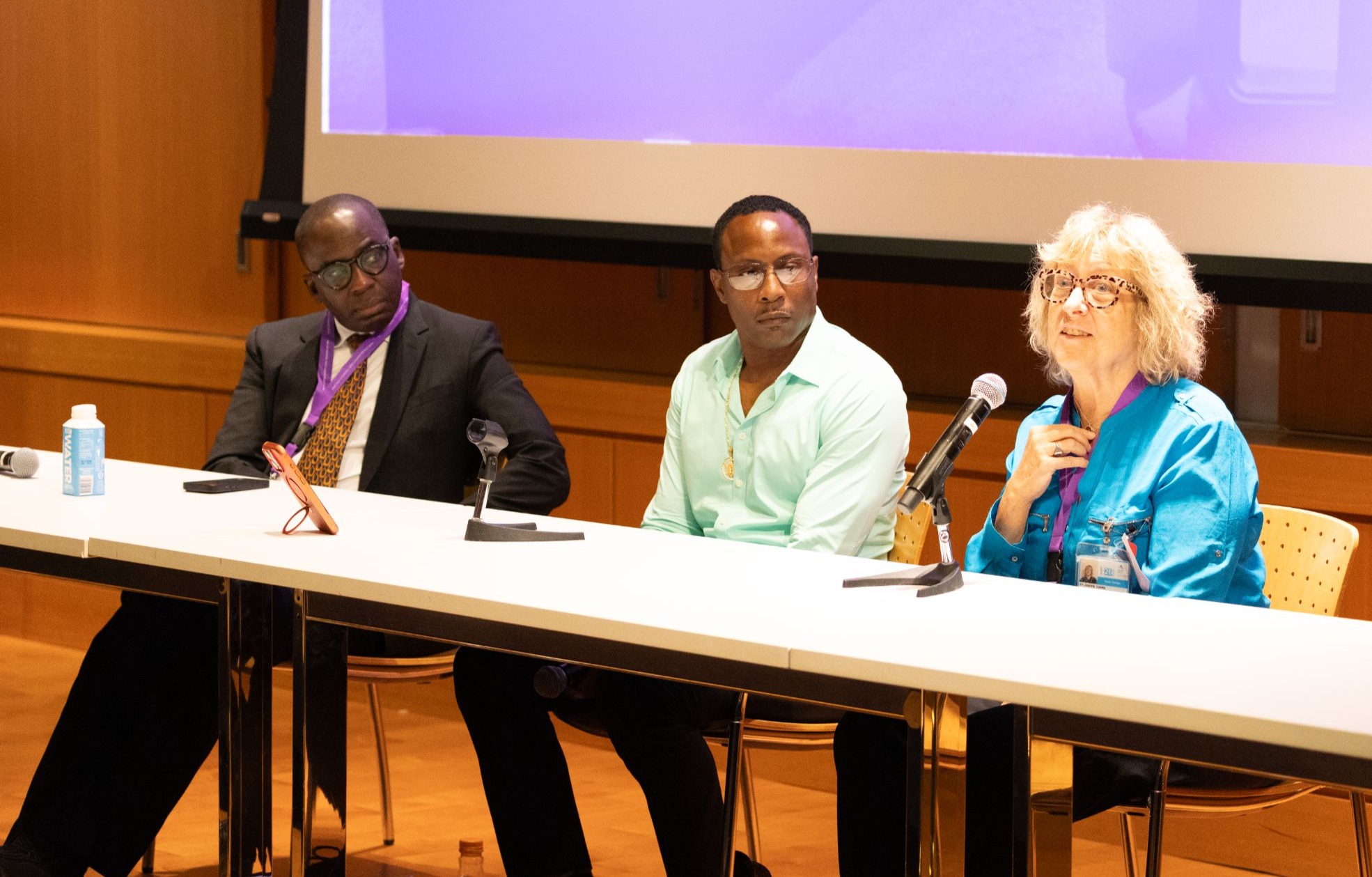
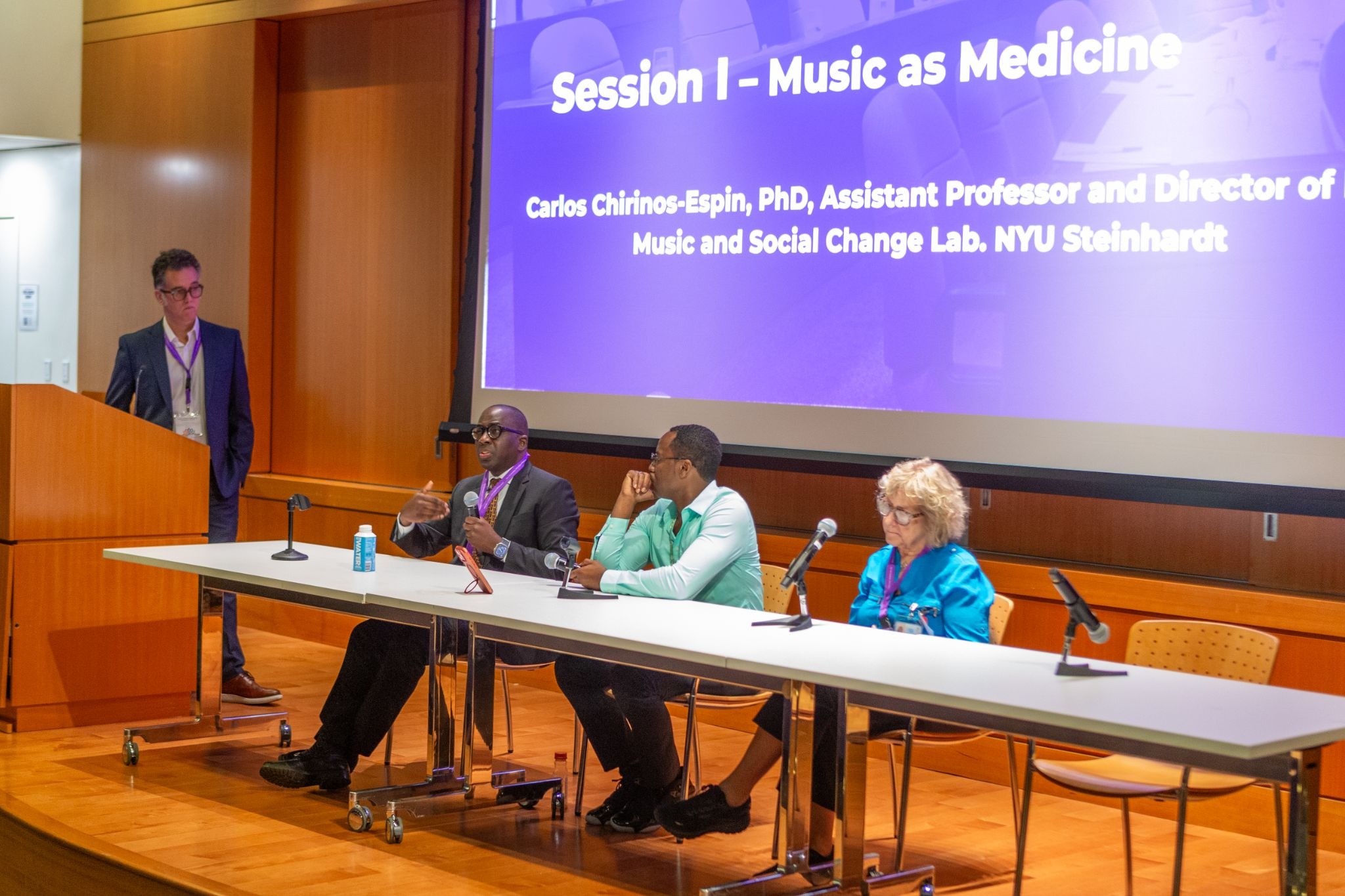
The first three sessions examined each domain in turn. In the first session, panelists described music therapy as a way to address the emotional and anticipatory dimensions of pain, and highlighted music as a tool to communicate health information and reduce stigma. However, they noted that music therapy lacks recognition as a suitable intervention, which in turn affects reimbursement and clear billing pathways.
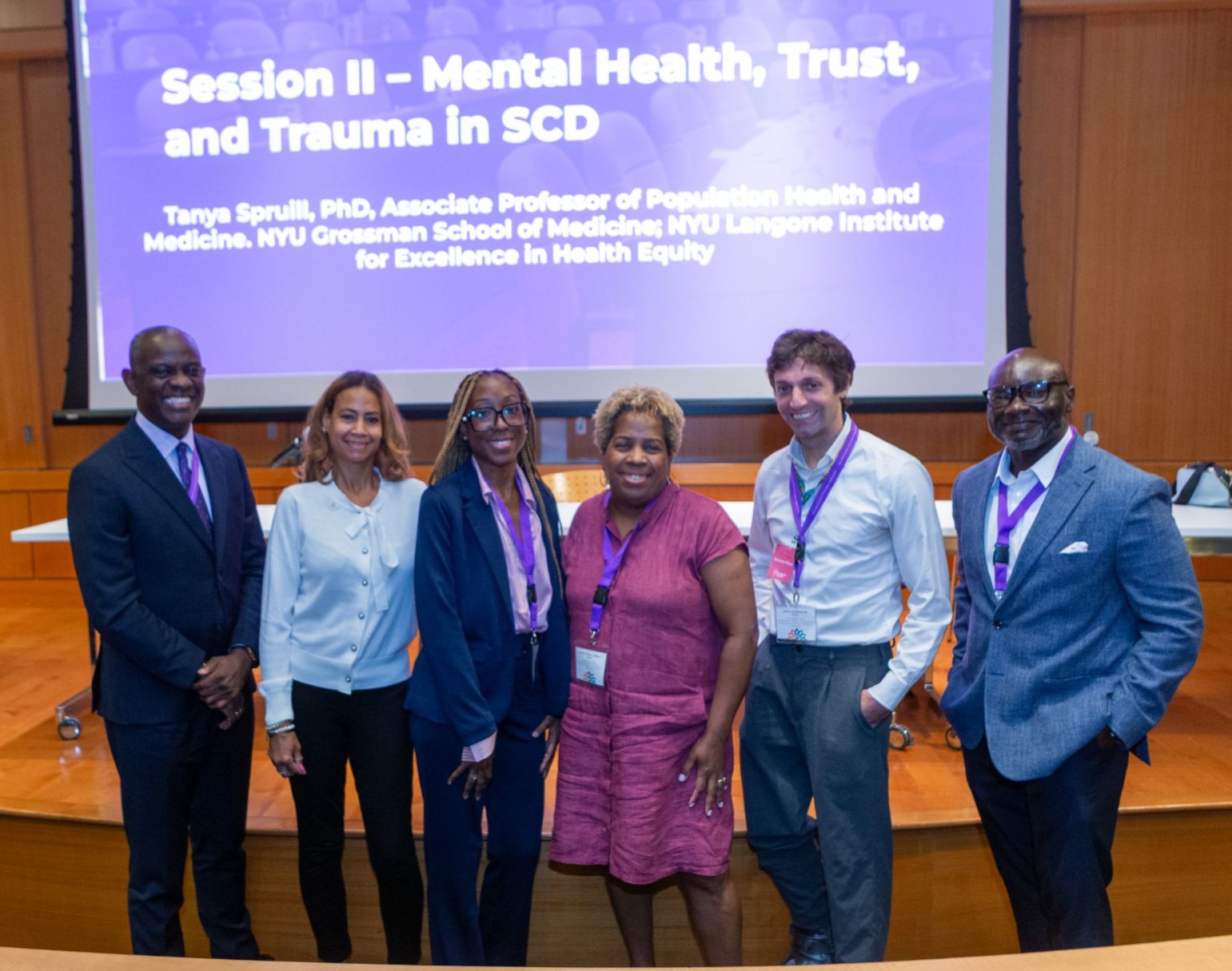
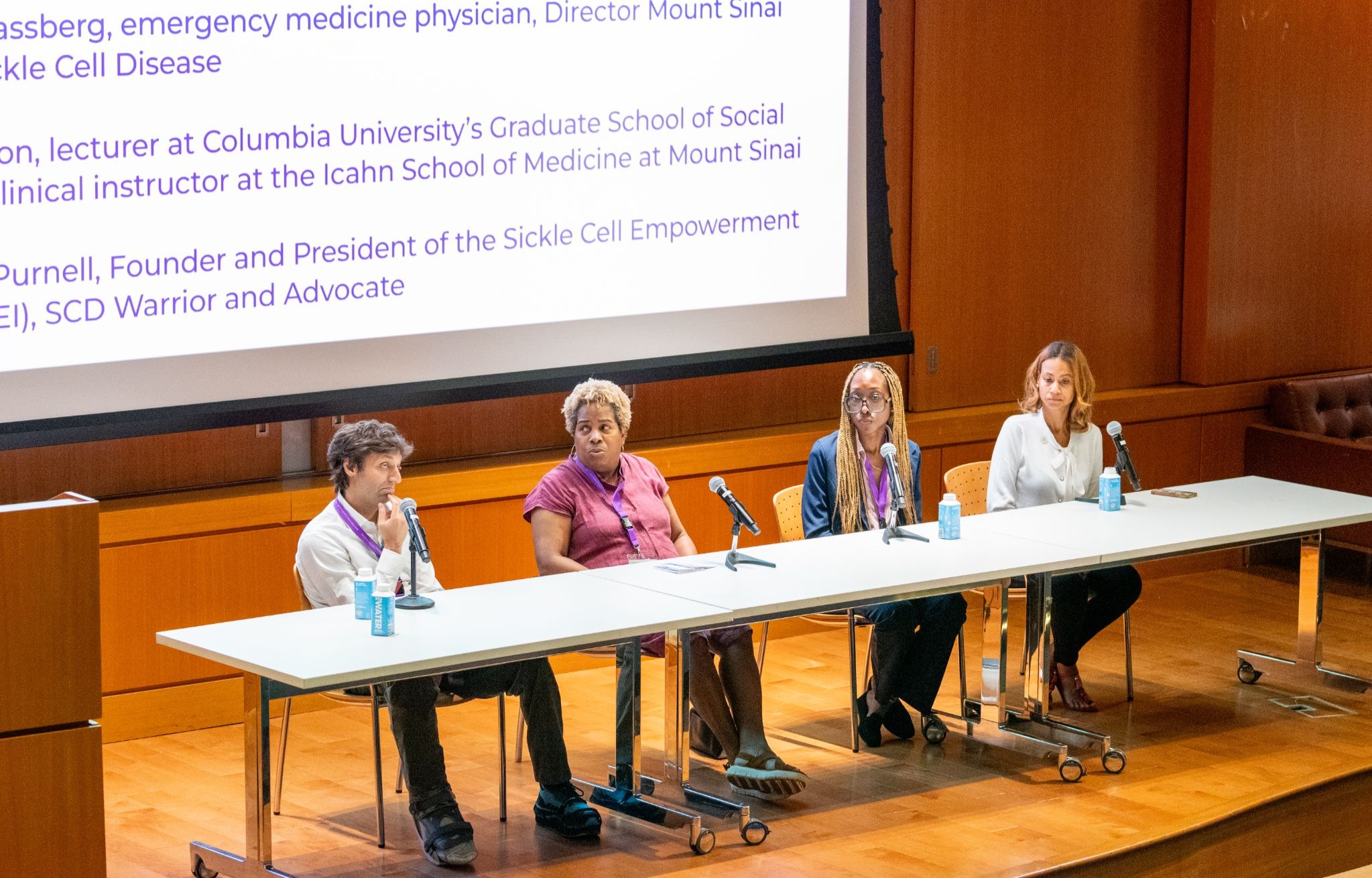
In the second session, discussion focused on mental health, beginning with the distinction between diagnosable psychiatric illness and the chronic, severe stress generated by recurrent pain, financial precarity, disability determination processes, housing insecurity, and social isolation. Panelists noted that both warrant response, but that the latter is more common and less often addressed. Speakers with lived experience described how patients strategically prepare for emergency department visits to avoid being labeled “drug-seeking,” and called for stigma-reduction training, individualized pain plans, and sustained funding for peer support and CBOs. Panelists also emphasized that rebuilding trust requires transparency about the history of unethical research and clear assurances that patients’ care will continue regardless of whether they choose to participate in research or new treatments.
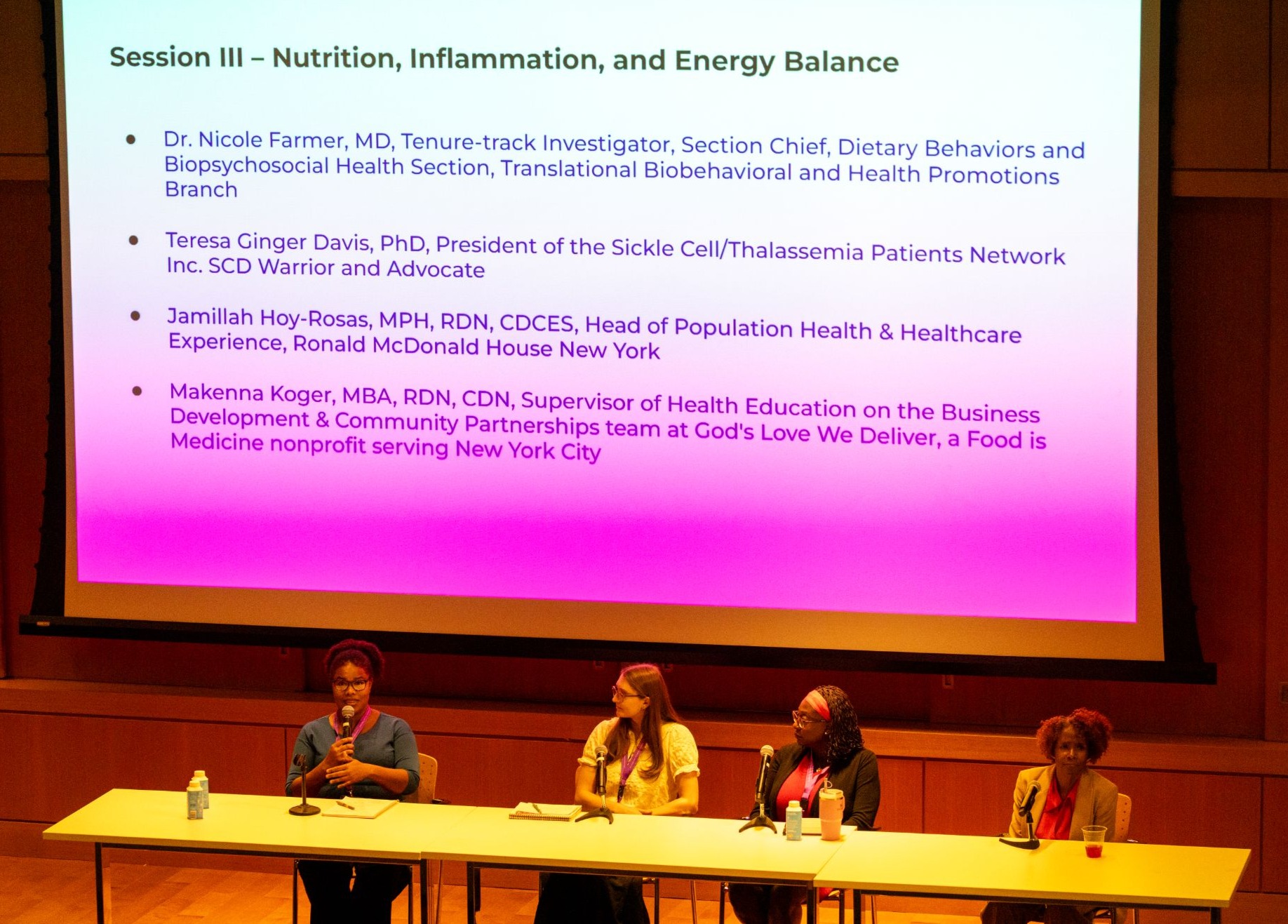
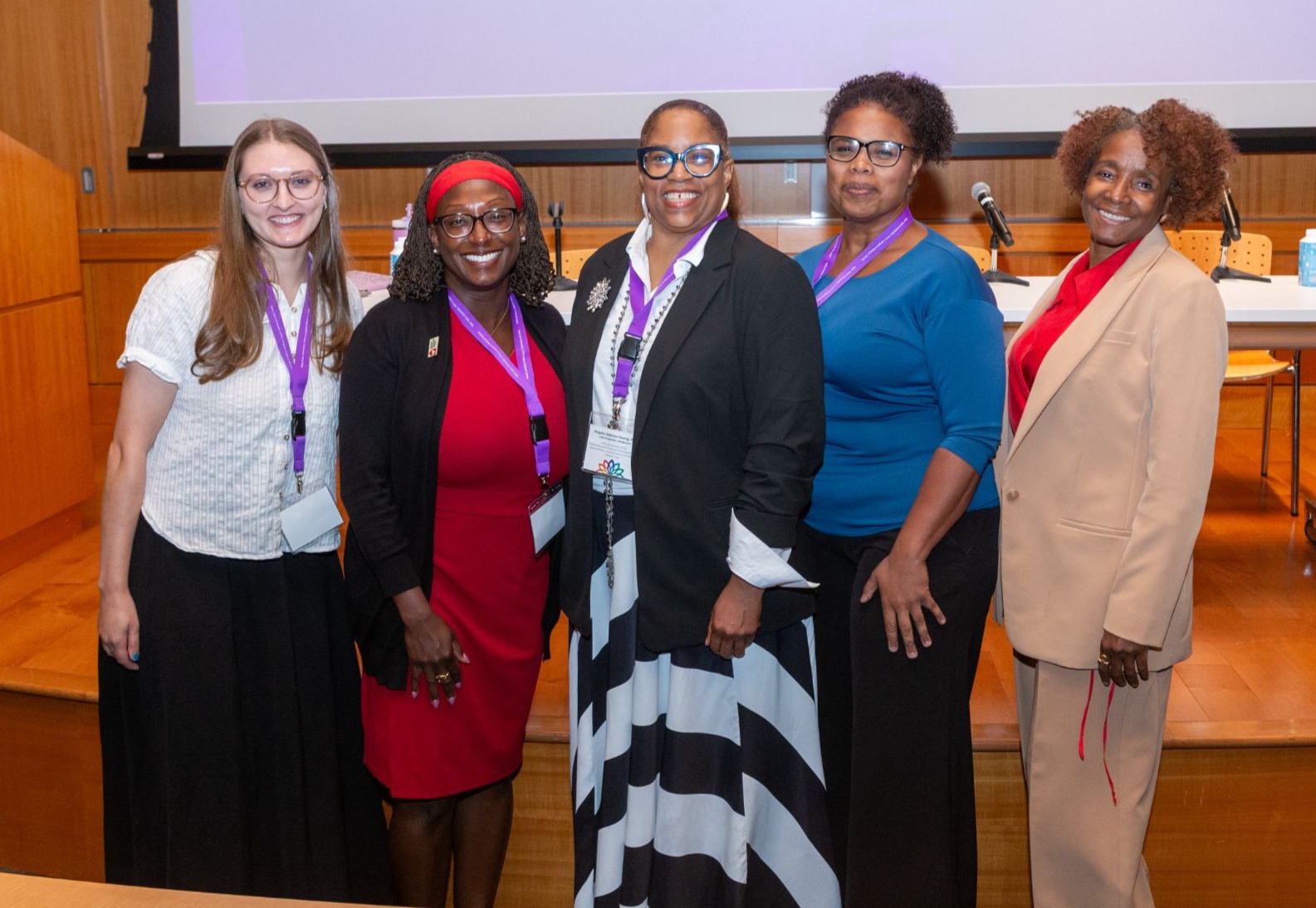
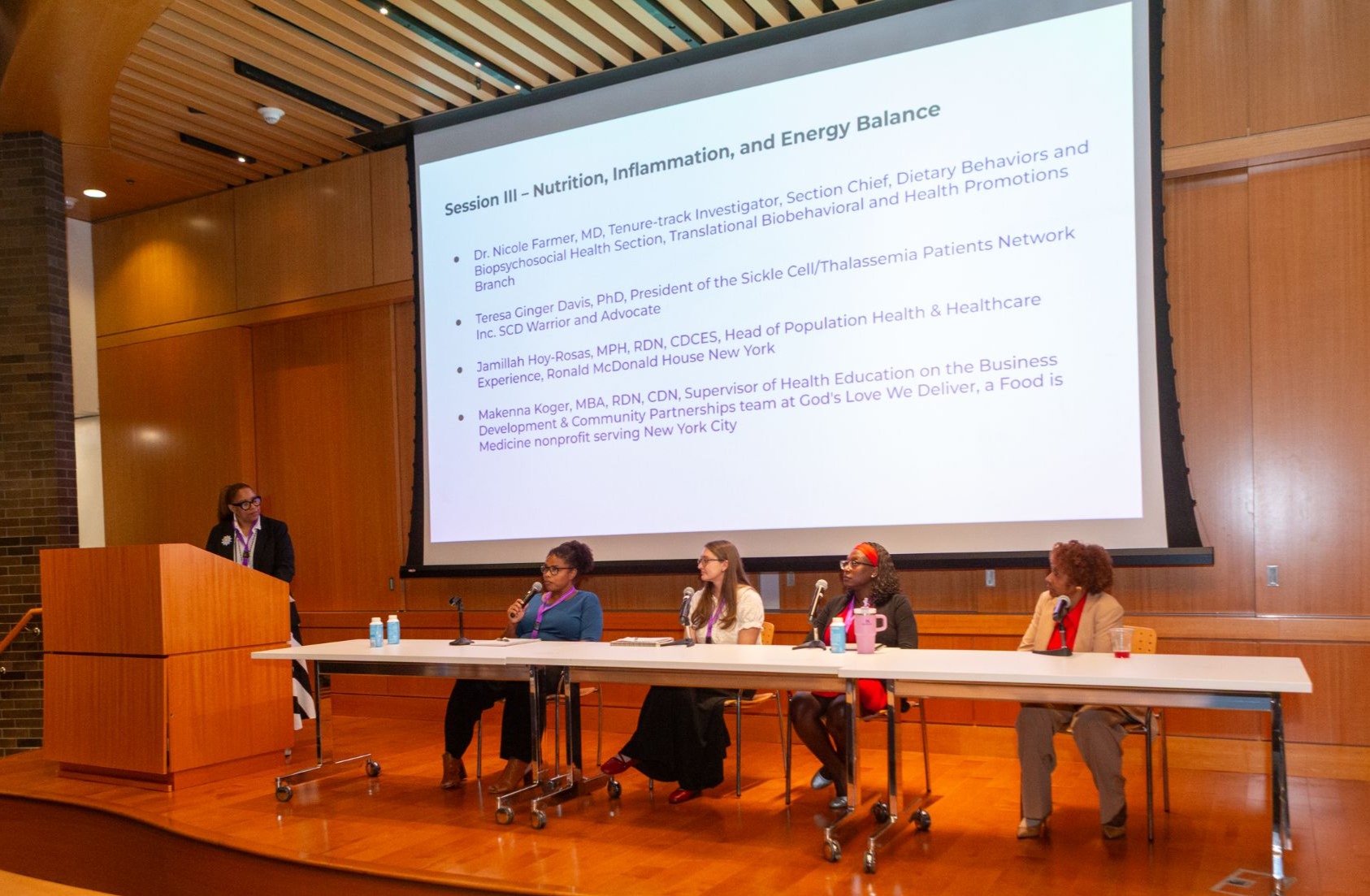
The third session outlined several pathways through which nutrition influences the pathophysiology and clinical course of SCD. Panelists explained that SCD raises metabolic demands, which can push nutritional needs beyond those of the general population. However, they noted that many patients see a dietitian only during hospitalization, leaving prevention, daily self-management, and pre-crisis support unaddressed. Policies such as New York’s Medicaid demonstration waiver were cited for helping reduce financial barriers to food-as-medicine services, such as nutrition education and counseling and medically tailored meals.
Public Voices and Clinical Practice
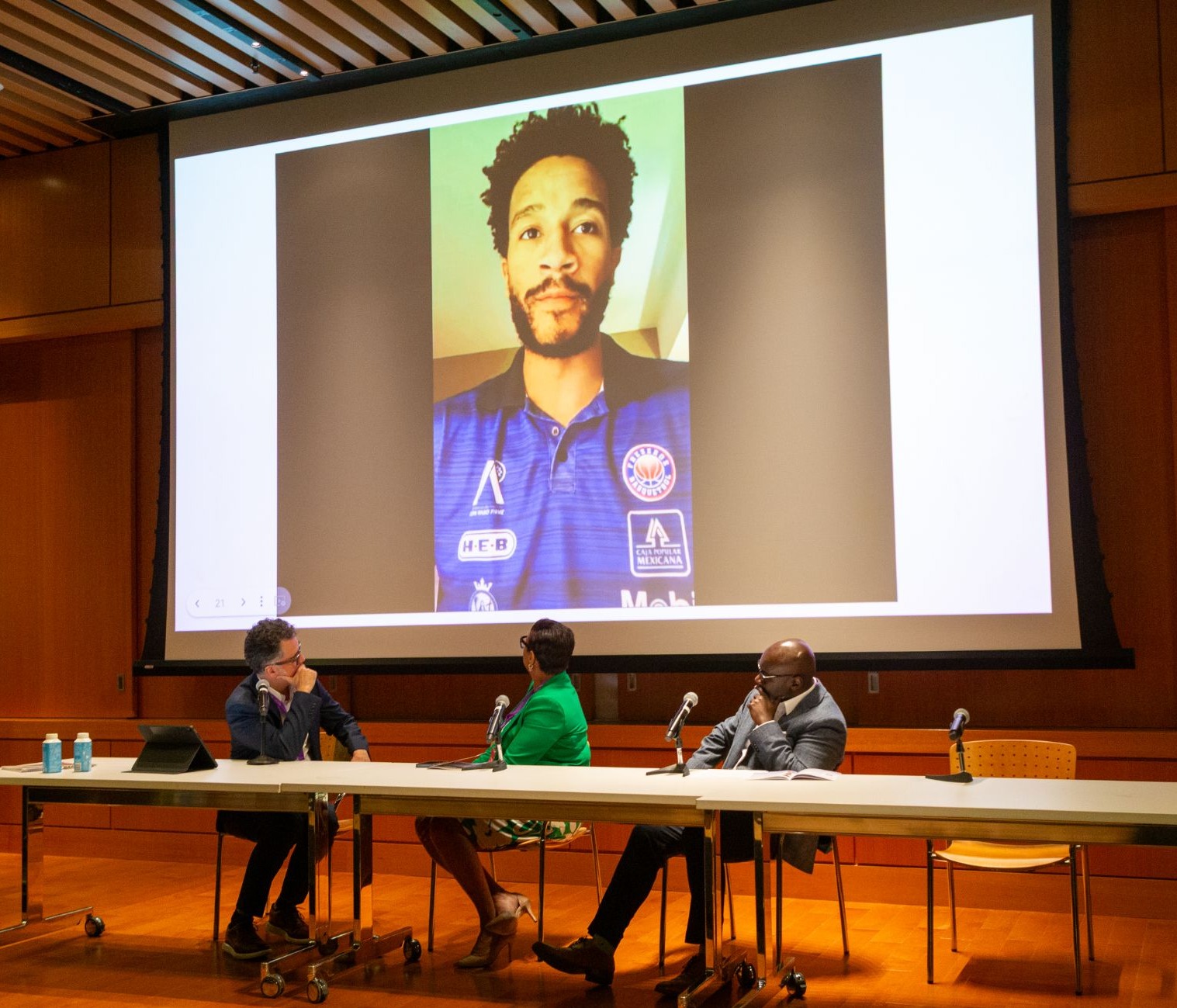
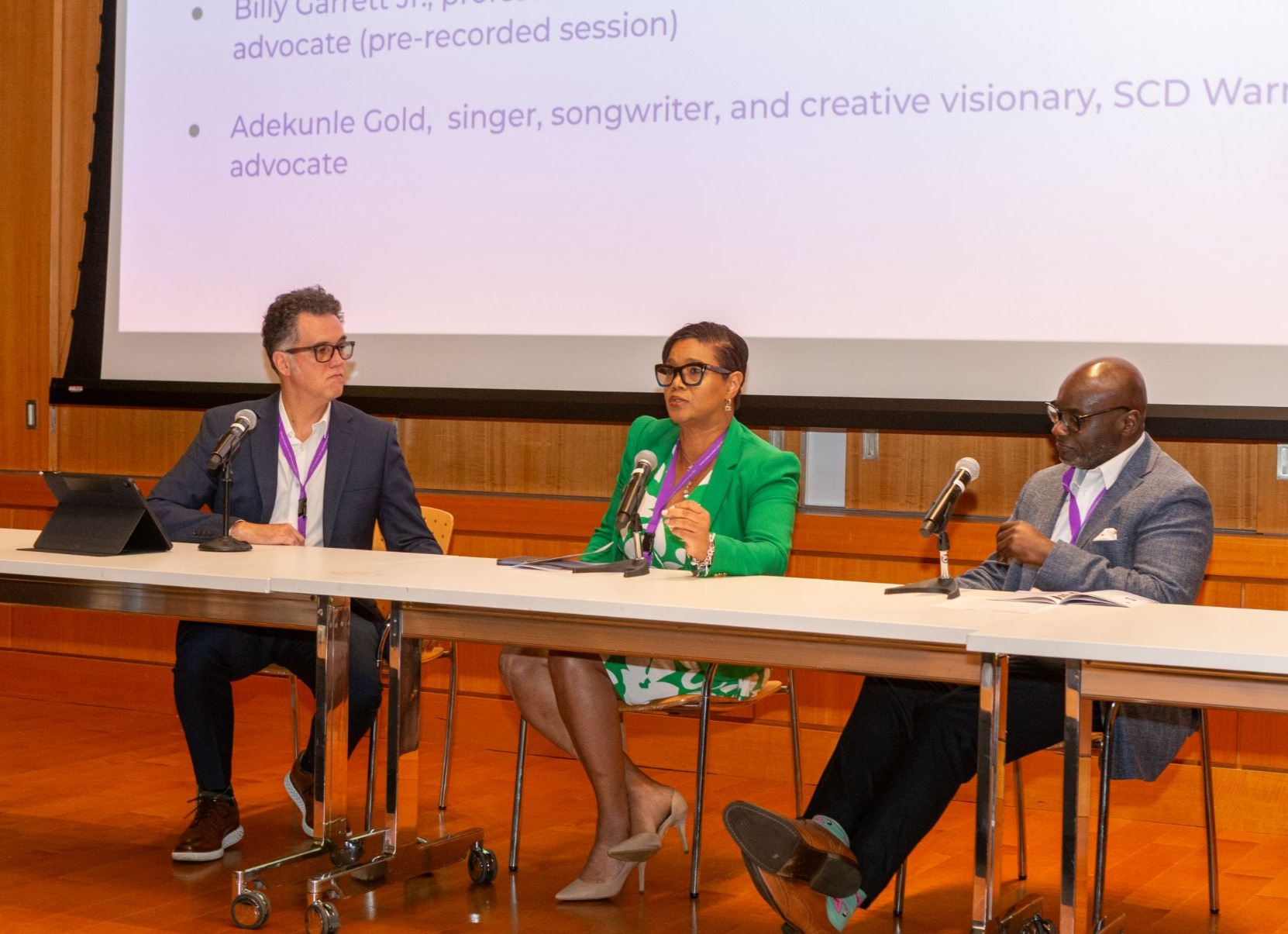
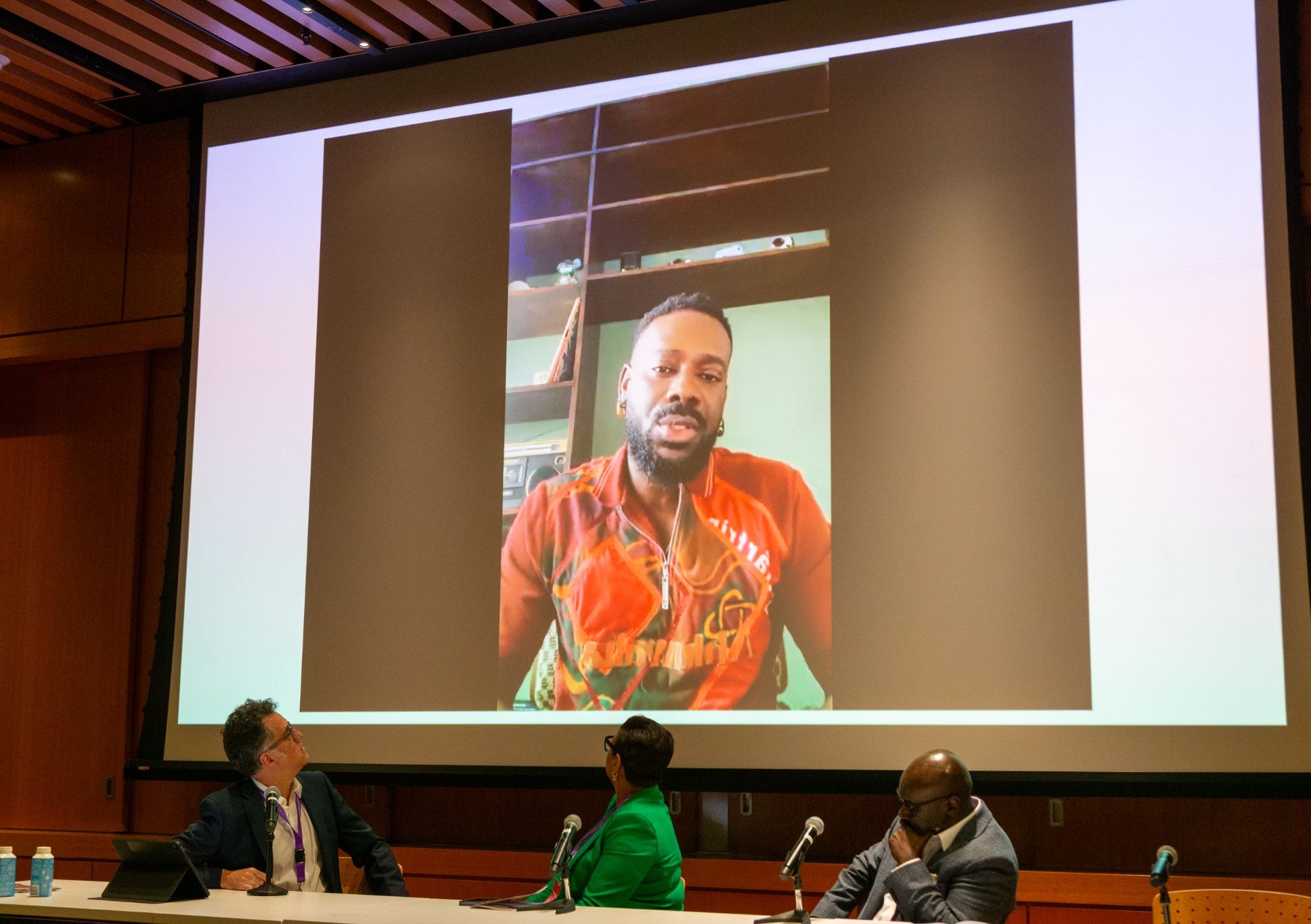
The final two sessions addressed the importance of public visibility and the evidence-to-practice gap, providing the symposium’s clearest policy content. Prerecorded messages from Adekunle Gold, an internationally known recording artist living with SCD, and Billy Garrett Jr., the first individual with SCD to play in the NBA, described music, nutrition, and stress management as practical self-management tools. Garrett’s mother, Annissa Lambirth-Garrett, attended in person and described building her own system of school and sports accommodations for her son, an effort panelists said families should not have to take on alone.
Panelists argued that mental health, nutrition, and music therapy should be classified as treatments in their own right rather than optional enhancements, and that changing outcomes requires changing systems rather than relying on individual clinicians. To support that shift, panelists proposed tracking rates of leaving against medical advice (LAMA) as a hospital-level performance indicator. New York City data showed adjusted rates ranging from under 5% to 30% across hospitals, a variation panelists attributed to differences in listening, pain care, communication, and care coordination rather than to patient characteristics. The panel session closed with a discussion of how behavioral health integration can affect patients’ ability to make informed decisions about curative therapies, and with priorities for future SCD care.
From Reflection to Action
Several consistent messages emerged across sessions:
- Financing determines whether music therapy, nutrition services, and behavioral healthcare reach patients.
- Hospital-level measurement is needed to enable accountability.
- CBOs are infrastructure, not outreach, and require sustained funding.
- Patients and caregivers must have a role in institutional governance.
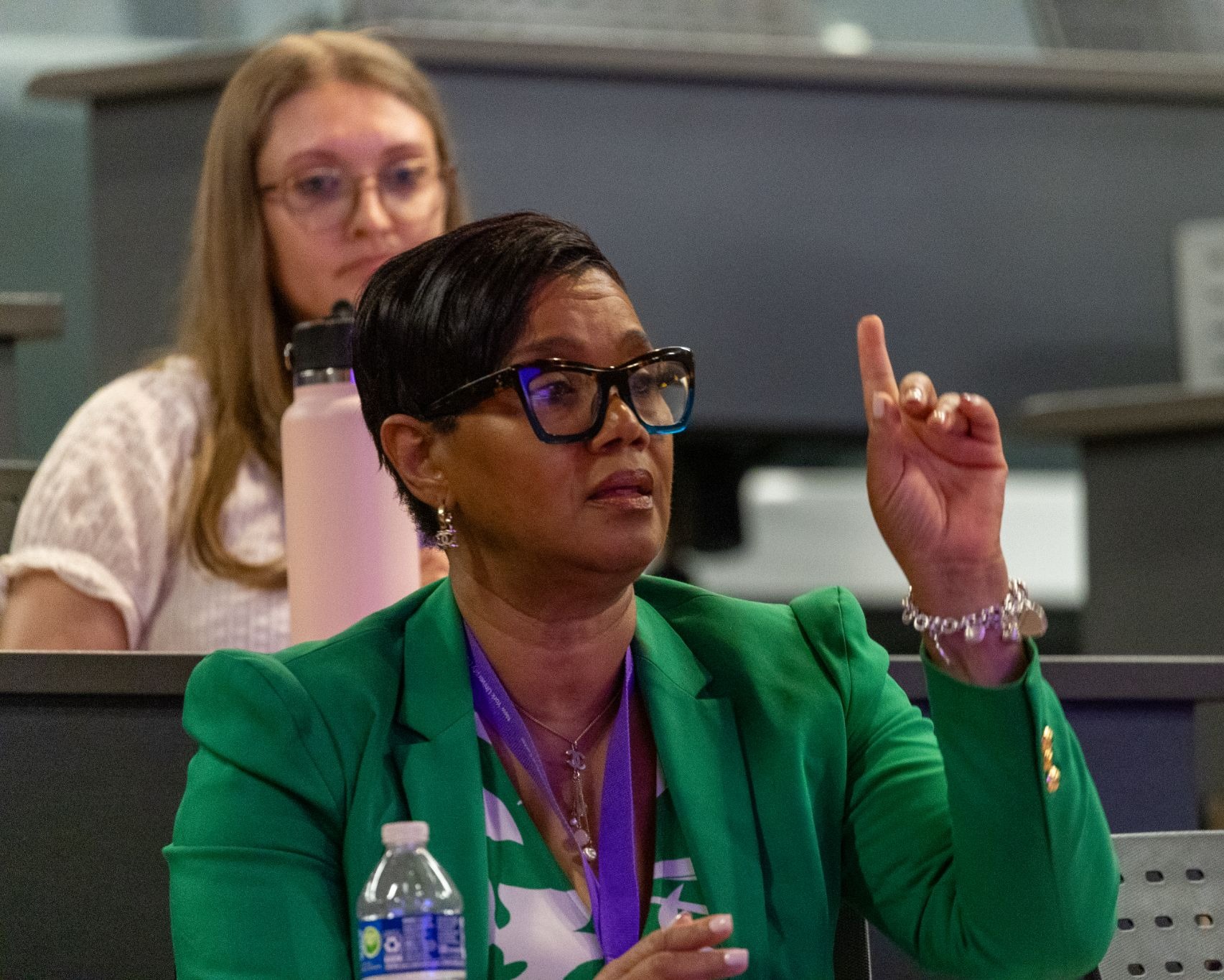
The closing plenary turned to next steps, including using data to characterize variation in SCD care across New York State and building partnerships across sectors. Audience members also proposed dedicated SCD day centers that combine clinical care, supportive services, and community space, noting that financing, staffing, and hospital partnership would be the main barriers. The symposium reinforced that the goal is not only for people with SCD to live longer, but to live fully, advocating for improved quality of life, which depends on the financing, staffing, and accountability needed to deliver whole-person care.