
From a young age, Michael Bride was interested in health and medicine, so as an undergrad he worked part-time in a hospital emergency room. Seeing a lot of preventable illness there, he was inspired to seek solutions to health problems at a societal level. He discovered epidemiology in his senior year: "I loved it; loved the data, loved the mystery of it and exploring with data. I was immediately hooked, and went straight to my graduate degree at NYU."
While completing his MPH in Epidemiology Michael did community-based outreach, helping the West African community in New York City access services for the hepatitis B virus, which is endemic to that region. Engaging with the diaspora and learning about their lives was an eye-opening experience for Michael; he was doing outreach for testing and treatment during Ramadan, and would often share iftar dinners with people. This exposure drove home to him the value of an actual, lived experience among the people he served; rather than dictating behavior from afar, he wanted to drive it from within communities by understanding their needs.
After graduating from GPH Michael committed to a stint in the Peace Corps, working in a primary care setting for two years in The Gambia, using data analysis to facilitate decision-making so public health officials could deliver health promotion messaging in a targeted fashion. Despite a lack of running water or electricity, Michael said, living among the people gave him “the strongest sense of community I've ever felt, just so different from the United States, where I didn’t even know my neighbors. In Gambia, I knew every single family in town, I knew everybody's kids. It's a place that has a lot of structural barriers, but they make up for it with community efforts. You could do health promotion activities there that wouldn't work in America, simply because it's a very close-knit society.”
When the Covid-19 pandemic struck, Michael was evacuated from The Gambia and took a job working global supply chain logistics at arguably the worst possible time. "It's very challenging in normal times, and it was even worse during Covid," he said. “Most importantly, I just didn't feel close to the work.” Shortly thereafter he joined the Center for Communications Programs at Johns Hopkins University, in a position that engaged with communities to understand health perceptions and crafted tailored messaging campaigns to drive behavioral change. "I started off working on a massive household survey, conducted in multiple African countries," he explained. "I was in Malawi, Angola and Burundi, and helped out in others. We asked people what they knew about malaria, then worked with local counterparts to figure out the best messaging. For instance, people thought they couldn’t get malaria easily but their risk was actually very high, so we needed to focus on that." Michael continued: "In Sierra Leone, because of the civil war and then Ebola there are a lot of stray dogs that can carry rabies, but people don’t perceive them as threats. There's no medicine and limited access to vaccines, so we crafted a messaging campaign to recognize the signs of a rabid dog and take precautions, like stepping away and calling the hotline. For both malaria and rabies, knowing community beliefs allowed us to create more culturally tailored solutions and drive real change."
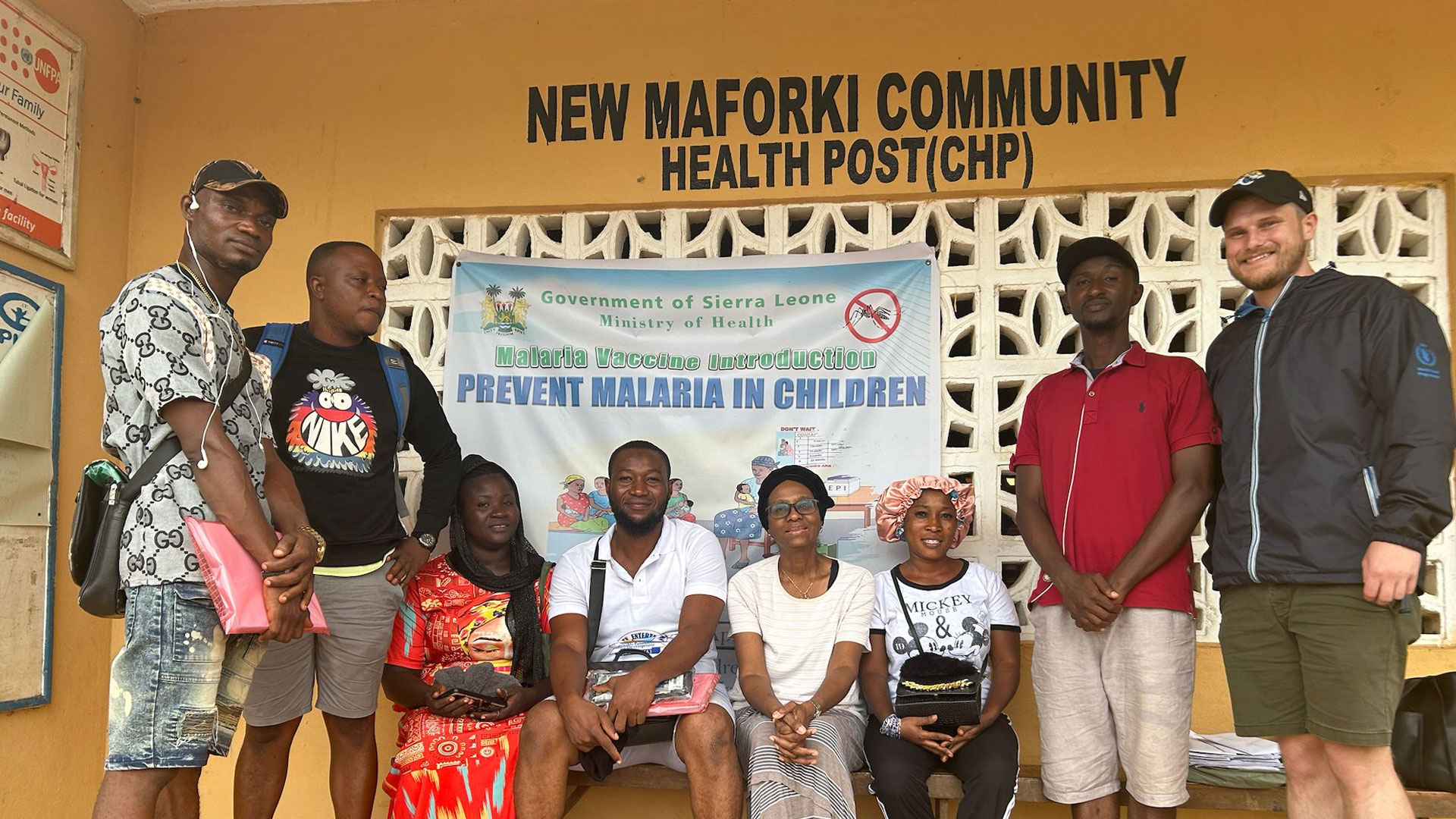
Wanting to dive deeper into behavioral change research, Michael began looking at doctoral programs, realizing that he "had gained a lot of experience and wanted to design and manage my own studies as a PI." After exploring several options, he joined a Marie Skłodowska-Curie Actions–Doctoral Networks fellowship program HealthIntelAct this fall at Oxford University that allows him to spend half his time doing fieldwork and half doing research. Michael studies flu vaccine uptake and how Real World Evidence—data that’s already collected in our day-to-day lives, like insurance claims and electronic health records—can be used to identify under-vaccinated groups and support promotion efforts. “It felt like a natural progression, incorporating my interests in behavioral change research and tailoring effective messages."
Responding to shifts in the market for global health careers, Michael's advice is to have strong data analysis and interpretation skills—and to consider moving to the countries you want to work in. "There are still global health jobs in countries like Rwanda, Tanzania or Senegal, and I would genuinely recommend it, because it's hard to live in the U.S. and work in a global context. The best thing is to immerse yourself in a community, to be able to understand its needs and drive change from within." Another ambition Michael hopes to fulfill: "I would love to return home and improve vaccination rates in communities in the States. People have been vaccine-hesitant for as long as vaccines have been around, and I want to improve vaccine coverage and reduce preventable deaths, using my experience in communities globally to drive behavioral change locally."