Throughout the PQAR summer program students will be given a series of lectures from NYU/NYC faculty and researchers, on subjects related to Responsible Conduct of Research (RCR), Professional Development, Site visits and general aging-related topics. The biographies of this summer's featured speakers are listed below.
Faculty Lecture Series
-
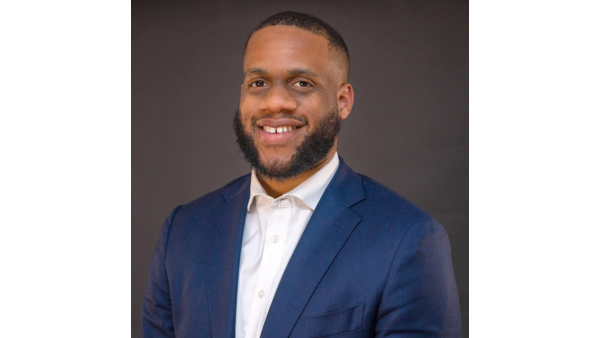
Jemar Bather, PhD
Read BioSenior Scientist, Biostatistics | Merck Research Laboratories; Visiting Assistant Professor of Biostatistics | NYU School of Global Public Health
-
Emma K. T. Benn, DrPH
Read BioAssociate Professor, Center for Biostatistics and Department of Population Health Science and Policy | Icahn School of Medicine at Mount Sinai (ISMMS)
-
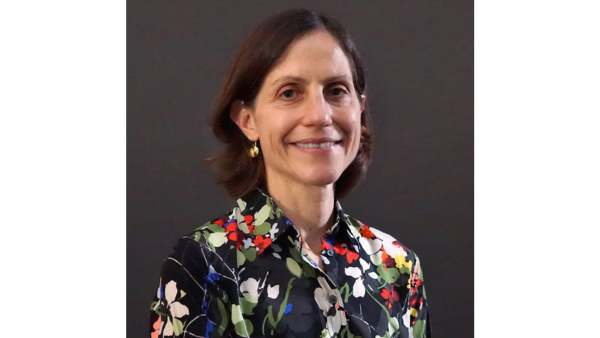
Rebecca Betensky, PhD
Read BioProfessor and Chair of the Department of Biostatistics | NYU School of Global Public Health
-
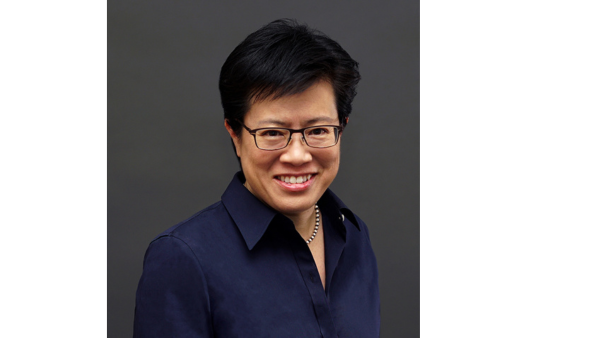
Virginia Chang, MD, PhD
Read BioAssociate Professor of Social and Behavioral Sciences | NYU School of Global Public Health
-
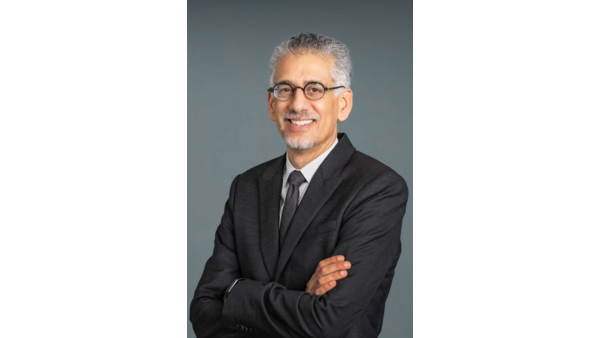
Josef Coresh, MD, PhD
Read BioTerry and Mel Karmazin Professor of Population Health/ Medicine | NYU Grossman School of Medicine
-
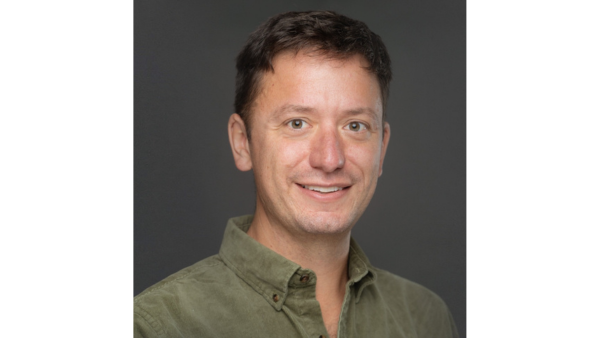
Alex Dahlen, PhD
Read BioClinical Associate Professor of Biostatistics & Director of the Biostatistics Collaboration and Consultation Core | NYU School of Global Public Health
-
-
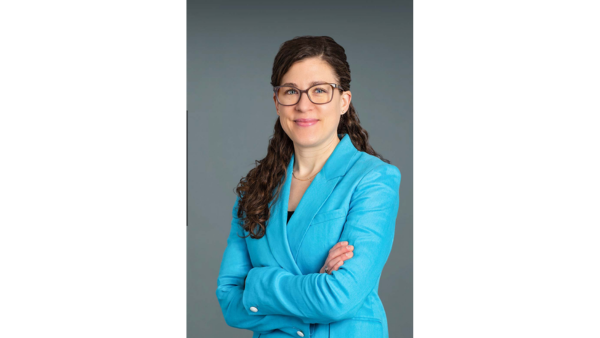
Emily Johnston, MPH, PhD
Read BioResearch Assistant Professor, Department of Medicine | NYU Grossman School of Medicine
-
Responsible Conduct of Research Series
-
Emy Cardoza, MA
Read BioSenior Director, Education and Strategic Partnerships | NYU Division of University Life
-
-
Ivan Oransky, MD
Read BioEditor in Chief | Spectrum; Distinguished Writer in Residence | NYU Arthur Carter Journalism Institute; Co-Founder | Retraction Watch
-
Alexander Pines
Read BioAssistant Director, Education and Learning | NYU Division of University Life
-
Debra Schaller-Demers, MSOM
Read BioSenior Director & Research Integrity Officer | NYU Office of the Vice Provost for Research
-
Professional Development Series
-
Alex Dahlen, PhD
Read BioClinical Associate Professor of Biostatistics & Director of the Biostatistics Collaboration and Consultation Core | NYU School of Global Public Health
-
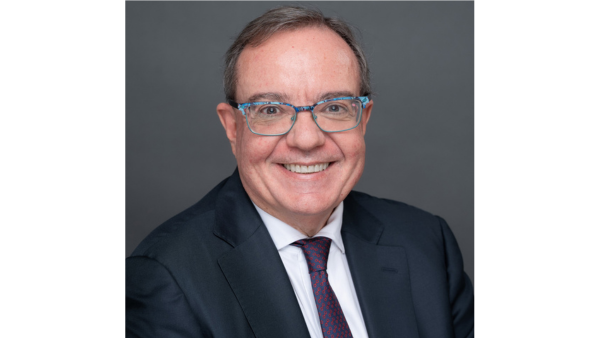
Eliseo Guallar, MD, DrPH
Read BioProfessor and Chair of the Department of Epidemiology | NYU School of Global Public Health
-
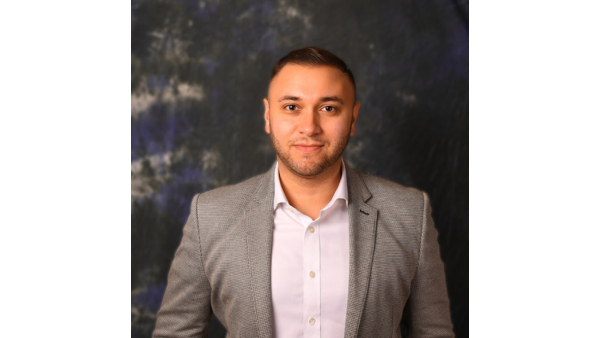
Ryan Larson
Read BioAssociate Director of Admissions and Financial Aid | NYU School of Global Public Health -

Mengling Liu, PhD
Read BioProfessor, Department of Population Health | NYU Grossman School of Medicine
Jemar Bather, PhD
Dr. Jemar Bather is a Senior Scientist in Biostatistics at Merck Research Laboratories and a Visiting Assistant Professor of Biostatistics at the NYU School of Global Public Health. He leverages statistical tools to address public health challenges in infectious diseases and social epidemiology. Dr. Bather is also passionate about increasing diversity in public health and statistics. He received his PhD and MA in biostatistics from Harvard University, MS in applied statistics from NYU Steinhardt, and his BS in statistics from Penn State.
Emma K. T. Benn, DrPH
Dr. Emma K. T. Benn is an Associate Professor in the Center for Biostatistics and Department of Population Health Science and Policy and the Founding Director of the Center for Scientific Diversity at the Icahn School of Medicine at Mount Sinai. Dr. Benn enjoys contributing her biostatistical expertise to health equity research and to research investigating best practices for recruiting, retaining, and advancing underrepresented trainees and faculty in the biomedical research workforce. Dr. Benn serves as the PI of the Clinical Research Education in Genome Science Short Course. Dr. Benn holds the prestigious honors of American Statistical Association Fellow, Association for Women in Mathematics Fellow, and being a part of the Committee of Presidents of Statistical Societies Inaugural Leadership Cohort. Dr. Benn has a BA in Chemistry (Spanish Minor) from Swarthmore College and an MPH in Sociomedical Sciences and DrPH in Biostatistics from Columbia University Mailman School of Public Health.
LinkedIn | Twitter | Website
Rebecca Betensky, PhD
Prior to NYU, Dr. Betensky was Professor of Biostatistics at the Harvard T.H. Chan School of Public Health. She was director of the Harvard Catalyst (Clinical and Translational Science Award) Biostatistics Program; director of the Data and Statistics Core for the Massachusetts Alzheimer’s Disease Research Center; and director of the Biostatistics Neurology Core at Massachusetts General Hospital. Previously, she was the Biostatistics Program Leader for the Dana-Farber/Harvard Cancer Center.
Dr. Betensky’s research focuses on methods for the analysis of censored and truncated outcomes and covariates, which frequently arise from the subsampling of cohort studies. She has a long-time interest in clinical trials, and has written on the evaluation of biomarkers and the use and interpretation of p-values. She has collaborated extensively in studies in neurologic diseases, and serves as statistical editor for Annals of Neurology.
Dr. Betensky was awarded, and directed for 15 years, an NIH T32 training program in neurostatistics and neuroepidemiology for pre- and post-doctoral students in biostatistics and epidemiology and for clinician-scientists. She previously directed Harvard’s Biostatistics programs to promote and support diversity at all levels in the field of quantitative public health. She was also a member of the BMRD Study Section for review of NIH statistical methodology grants; on committees for the Institute of Medicine; and a co-chair of the technical advisory committee for the scientific registry of transplant recipients.
Dr. Betensky an elected Fellow of the American Statistical Association and of the International Statistical Institute, and is a past recipient of the Spiegelman Award from the American Public Health Association. She currently serves as a member of the Board of Scientific Counselors for Clinical Science and Epidemiology at the National Cancer Institute.
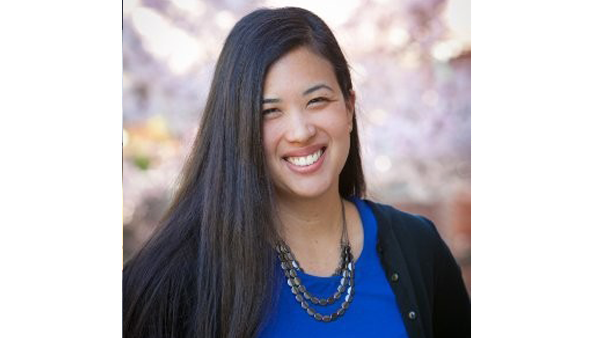
Emy Cardoza, MA
Emy Cardoza is the director of global diversity education and faculty engagement. She provides strategic direction for global diversity education and training. She also develops and facilitates global inclusion, diversity, belonging, equity, and access (GIDBEA)-focused curriculum for students, staff, and faculty across the global network. Prior to this role, Emy served as the associate dean for student life at Barnard College and the associate director for multicultural student affairs at the University of Chicago. She brings over a decade of experience in diversity education and curriculum design, focusing on a holistic approach to student learning and identity development.
Emy received her BA in Religious Studies from Rollins College and has also earned a Master of Divinity from the University of Chicago and a Master of Education from Loyola University Chicago. She is currently pursuing a PhD in Philosophy and Education at Teachers College, Columbia University.
Emy and Alexander will present to students on the topic of Safe and Ethical Research Environments.
Virginia Chang, MD, PhD
Virginia W. Chang, MD, PhD is Associate Professor of Global Public Health at NYU School of Global Public Health, Associate Professor of Population Health at NYU School of Medicine, and Affiliated Associate Professor in the Department of Sociology at NYU. Dr. Chang is a graduate of the Inteflex Program at the University of Michigan, where she received her BS and MD degrees. She then completed a residency in internal medicine, fellowship training with the Robert Wood Johnson Foundation Clinical Scholars Program, and a PhD in sociology, all at the University of Chicago. Prior to joining NYU, Dr. Chang was in the Division of General Internal Medicine at the Perelman School of Medicine at the University of Pennsylvania and a staff physician at the Philadelphia Veterans Administration Medical Center.
As a physician and sociologist, Dr. Chang integrates perspectives from medicine, epidemiology, sociology, and demography in her research. Much of her work has focused on obesity and health disparities, engaging topics such as the influence of socially structured context (e.g., racial segregation, income inequality, neighborhood social/physical disorder) on obesity; the relationship of obesity to mortality and disability; the influence of weight status on the quality of medical care; socioeconomic disparities in health and mortality; and the inter-relationships between health, medical technologies, and stratification.
Josef Coresh, PhD
Dr. Coresh is the Founding Director of the Optimal Aging Institute at the NYU Grossman School of Medicine and a Professor of Population Health and Medicine. The institute will leverage epidemiologic cohorts to advance discovery and translation of prevention and treatment of aging related diseases in partnership with leading scientists, clinicians and NYU Langone Health. Dr. Coresh will continue to lead of the ARIC Neurocognitive Study (ARIC NCS; MPI: Coresh/Mosley. Chair: Gottesman) renewal (2023-2028), the ACHIEVE Brain Health Follow-up (2023-2028; MPI: Lin/Coresh) and CKD Prognosis Consortium (2023-2028; MPI: Coresh/grams) as well as start new initiatives.
Dr. Coresh is an international expert in aging and vascular disease epidemiology of the brain, heart and kidney, using a range of epidemiology and data science methods. He leads the ARIC NCS proteomics initiative with over 150 Million longitudinal proteomic measures.
Dr. Coresh is among the most cited researcher having co-authored articles cited over 300,000 times. He received the top scientific and patient impact awards of the US National Kidney Foundation (Eknoyan and Hume awards) and American Society of Nephrology (Belding Scribner award). His devotion to mentorship was recognized by awards from Johns Hopkins University and the American Heart Association.
Dr. Coresh is among the most cited researcher having co-authored articles cited over 300,000 times. He received the top scientific and patient impact awards of the US National Kidney Foundation (Eknoyan and Hume awards) and American Society of Nephrology (Belding Scribner award). His devotion to mentorship was recognized by awards from Johns Hopkins University and the American Heart Association.
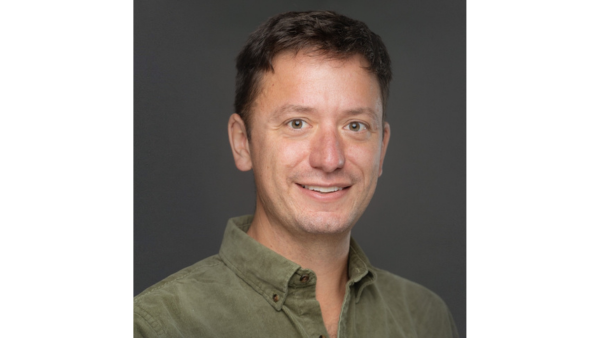
Alex Dahlen, PhD
Alex Dahlen, PhD joins GPH as Director of the new Collaborative Statistical Core in the Department of Biostatistics. The goal of the Core is to collaborate widely throughout the School, to bring robust statistical methods and thoughtful study design to public health research, and to train the next generation of data scientists and statisticians in team science and applied statistics. Dr. Dahlen has nearly 10 years of experience working in collaborative statistics, across a variety of settings in and out of academia.
In his previous role as senior statistician in the Quantitative Sciences Unit of the Department of Medicine at Stanford University, Dr. Dahlen collaborated with physicians and clinical researchers on all aspects of research, including acting as lead statistician on grant applications and statistical author on numerous published manuscripts. He devotes a large portion of his time to mentoring junior scientists: providing hands-on coding lessons; overseeing analysis; offering study design and methodology tutorials; and lecturing about healthy research practices. Dr. Dahlen received his PhD in the physics of bubbles from Princeton University in 2011.
Dr. Dahlen will participate on our panel discussion on doctoral programs.
Boyu Fan
Boyu Fan is a doctoral student in Biostatistics at the NYU School of Global Public Health. He earned his B.S. in Data Science, B.A. in Economics, and a minor in Statistics from the University of California, Berkeley. His current research interests include uncertainty quantification and representation learning for biomedical imaging. Outside of research, Boyu enjoys playing tennis and experimenting with new recipes.
Melody Goodman, PhD
Dr. Melody Goodman’s efforts seek to understand the social risk factors that contribute to health disparities in urban areas, with the goal of developing culturally competent, region-specific, and evidence-based solutions through collaborative activities with community members, community-based organizations, faith-based organizations, and other community health stakeholders. The purpose of her work is the development of solutions for improving health in minority and medically underserved communities.
Dr. Goodman conducts applied biostatistical and surveys research for community-based interventions and health disparities research with a strong focus on measurement. Additionally, through academic-community collaborations, she implements, evaluates, and enhances the infrastructure of community-engaged research, in order to mitigate health disparities. As such, Dr. Goodman is the Principal Investigator of a Patient-Centered Outcomes Research Institute (PCORI) grant that aims to validate and implement a quantitative survey measure to assess the level of community engagement in patient-centered outcomes research (PCOR) and clinical effectiveness research (CER) studies from the community stakeholder perspective.
Twitter
Eliseo Guallar, MD, DrPH
Dr. Guallar is an epidemiologist whose research is focused on the study of cardiovascular disease epidemiology and prevention, with an emphasis on evaluating the role of environmental and nutritional exposures in the development of cardiovascular disease. This research has made critically important and novel contributions to our understanding of risk factors for chronic disease both in the US and globally. He has published seminal articles and is a leading figure in an emerging field highlighting the risks of exposure to levels of metals previously considered safe for cardiovascular health. In addition to his work in toxic metals, Dr. Guallar has made important contributions to understanding the effects of certain micronutrients and vitamin supplements on cardiovascular disease risk and outcomes. Publications in this area were influential in changing consumer habits and attitudes towards these products. Much of this research has been funded by the National Institutes of Health, the Agency for Healthcare Research and Quality, the American Heart Association, the CDC, and other funders.
Dr. Guallar was the founding director of the Center for Clinical Epidemiology at the Samsung Medical Center and a lead investigator of the Kangbuk Samsung Cohort Study at the Kangbuk Samsung Hospital since its inception in 2010. Dr. Guallar has published over 500 research papers in peer-reviewed journals. He is also a Deputy Editor for Methods at the Annals of Internal Medicine and a past member and Chair of the Cancer, Heart, and Sleep Study Section at the National Institutes of Health.
Prior to teaching at NYU, Dr. Guallar was a Professor of Epidemiology and Medicine at the Johns Hopkins University Bloomberg School of Public Health and a core faculty member of the Welch Center for Prevention, Epidemiology, and Clinical Research at Johns Hopkins. In the Department of Epidemiology, Dr. Guallar was the Director of the Environmental and Occupational Area of Concentration and the Co-Director of the PhD Program. Dr. Guallar was also an adjunct Professor at the Department of Clinical Research Design and Evaluation of the Samsung Advanced Institute for Health Science and Technology, Sungkyunkwan University, in Seoul, Korea.
Dr. Guallar will participate on our panel discussion on doctoral programs.
Emily Johnston, MPH, PhD
As a Research Assistant Professor at NYU Langone Health, I specialize in lifestyle interventions aimed at preventing chronic diseases, with a particular emphasis on dietary assessment strategies. My research is driven by the alarming statistic that 6 out of every 10 American adults live with at least one chronic condition, many of which can be prevented or delayed through targeted lifestyle changes. Despite this potential, such interventions are often not integrated into clinical care.
Currently, I serve as the Principal Investigator (PI) of a study exploring the critical role of dietary intake in dementia prevention. This research seeks to elucidate the connections between diet and disease, with the goal of identifying modifiable risk factors that can be leveraged for chronic disease prevention.
To better understand chronic disease risk related to dietary intake, I developed the Diet Risk Score (DRS), a novel dietary assessment tool designed to quickly evaluate an individual's risk for cardiometabolic diseases linked to dietary habits. The DRS has been translated into Mandarin and Spanish, and its validity has been tested among native speakers. This tool is currently being utilized in several ongoing studies, enhancing our capacity to measure dietary risks across diverse populations.
My ongoing research focuses on the interplay between diet, disease, and cognition, specifically how dietary intake can influence the risk of cognitive decline. Through this work, I aim to contribute to the growing body of evidence supporting the importance of lifestyle factors in maintaining cognitive health and preventing chronic disease.
Ryan Larson
Before joining GPH, Ryan managed recruitment and admissions for the Maurice A. Deane School of Law at Hofstra University and brings more than a decade of experience in enrollment management. He received his B.A. degree from University of California, Berkeley, and his J.D. degree from Hofstra University. During law school, Ryan interned at The New York City Bar Justice Center, the HIV Law Project and the Hofstra Law Asylum Clinic. As the Associate Director of Admissions and Financial Aid at NYU GPH, Ryan guides prospective and admitted students throughout the application process and educates them about their graduate degree funding options.
Ryan will present to students on the topic of applying to Masters programs.
Mengling Liu, PhD
My research is primarily focused on developing and applying statistical methods and algorithms for analyzing biomedical data, with the goal of identifying important signals and messages from data to improve human health.
I led multiple NIH-funded projects as the PI, MPI, or sub-contract PI on developing innovative statistical methods for the analysis of complex survival and longitudinal data, investigating population heterogeneity in pooling projects, and building breast cancer risk prediction models. Currently, I’m leading an R01 project on developing statistical methodology for evaluating time-dependent environmental mixtures and a U01 project with Dr. Reibman (MPI) studying the complex WTC exposures' impact on persistent airflow limitation in the WTC Survivor population.
I have a broad range of collaborations with clinical and basic science investigators from multiple departments at NYU Langone, supporting statistical needs in biomedical projects. As the Graduate Advisor for our Biostatistics PhD Program in the Vilcek Institute of Graduate Biomedical Sciences, I work closely with our graduate students on training and research during their entire course in the program.
Dr. Liu will participate on our panel discussion on doctoral programs.
Yajun Mei, PhD
Yajun Mei is a Professor of Biostatistics at NYU/GPH, starting from July 1, 2024. He received the B.S. degree in Mathematics from Peking University, Beijing, China, in 1996, and the Ph.D. degree in Mathematics with a minor in Electrical Engineering from the California Institute of Technology, Pasadena, CA, USA, in 2003. He was a Postdoc in Biostatistics in the renowned Fred Hutch Cancer Center in Seattle, WA during 2003 and 2005. Prior to joining NYU, Dr. Mei was an Assistant/Associate/Full Professor in H. Milton Stewart School of Industrial and Systems Engineering at the Georgia Institute of Technology, Atlanta, GA for 18 years from 2006 to 2024, and had been a co-director of Biostatistics, Epidemiology, and Study Design (BERD) of Georgia CTSA since 2018.
Dr. Mei’s research interests are statistics, machine learning, and data science, and their applications in biomedical science and public health, particularly, streaming data analysis, sequential decision/design, change-point problems, precision/personalized medicine, hot-spots detection for infectious diseases, longitudinal data analysis, bioinformatics, and clinical trials. His work has received several recognitions including Abraham Wald Prizes in Sequential Analysis in both 2009 and 2024, NSF CAREER Award in 2010, an elected Fellow of American Statistical Association (ASA) in 2023, and multiple best paper awards.
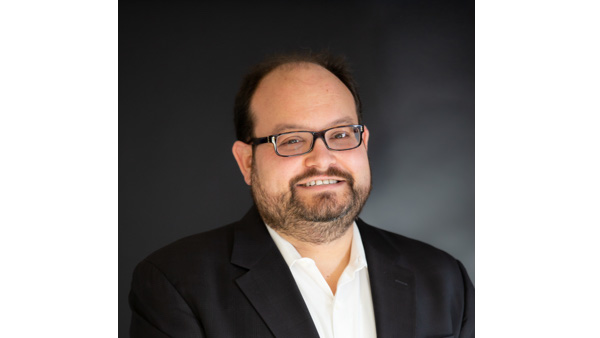
Ivan Oranksy, MD
Ivan Oransky, MD, is co-founder of Retraction Watch, editor in chief of Spectrum, and distinguished writer in residence at New York University's Arthur Carter Journalism Institute. He also serves as president of the Association of Health Care Journalists. Ivan previously was vice president of editorial at Medscape, global editorial director of MedPage Today, executive editor of Reuters Health, and held editorial positions at Scientific American and The Scientist. A 2012 TEDMED speaker, he is the recipient of the 2015 John P. McGovern Medal for excellence in biomedical communication from the American Medical Writers Association, and in 2017 was awarded an honorary doctorate in civil laws from The University of the South (Sewanee). In 2019, the judges for the John Maddox Prize, which promotes those who stand up for science in the face of hostility, gave him a commendation for his work at Retraction Watch.
Twitter: @ivanoransky and @retractionwatch | Website
Dr. Oransky will present to students on his website, “Retraction Watch”.
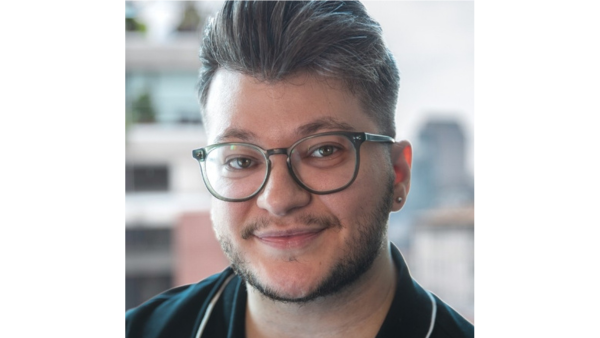
Alexander Pines
Alexander Pines is the assistant director of global inclusion education and training. In his role, Alexander develops and facilitates global inclusion, diversity, belonging, equity, and access (GIDBEA)-focused curriculum for students, staff, and faculty across the global network. He also supports programming at CMEP and within OGI more broadly, including the cultural graduations and Solidarity Week. Prior to this role, he worked within the Office of Student Success and Financial Education team to help students build academic skills, navigate the university, and overcome barriers to retention and graduation.
He holds a Bachelor of Arts in American studies and creative writing from Columbia University and a Master of Fine Arts from the Nonfiction Writing Program at the University of Iowa, where he also taught literature and writing with an emphasis on social justice. His essays and criticism about queerness, trans masculinity, monsters, and American empire have appeared in Bomb, The Rumpus, The Black Warrior Review, VICE, and elsewhere.
Emy and Alexander will present to students on the topic of Safe and Ethical Research Environments.
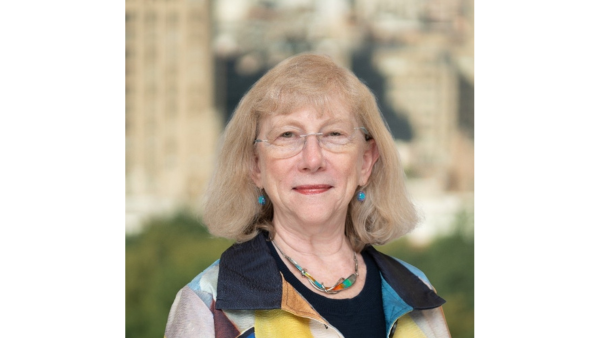
Debra Schaller-Demers, MSOM
Debra (Debbie) Schaller-Demers, MSOM serves as Senior Director for Research Integrity and Compliance (RIC) and the Research Integrity Officer in the Office of the Vice Provost for Research (OVPR) at New York University (NYU). A seasoned leader and collaborator, Debra has over 20 years of experience in research management in higher education and non-profit organizations, with a successful track record in responsible conduct of research including compliance, outreach, and education.
Debbie will present to students on the topic of Responsible and Ethical Conduct of Research.
Nicholas Wolf, PhD, MSLIS
Nicholas Wolf is a Research Data Management Librarian and Interim Co-Head of NYU Libraries' Data Services department. At Data Services Dr. Wolf supports researchers to organize, transform, preserve, and share their data at all stages of the research lifecycle. This work includes review of grant data management plans and facilitating researcher access to tools for data publish and repository selection.
ORCiD | Website
Dr. Wolf will present to students on the topic of Data Responsibly & Reproducibility.